Follow Me On Social Media!



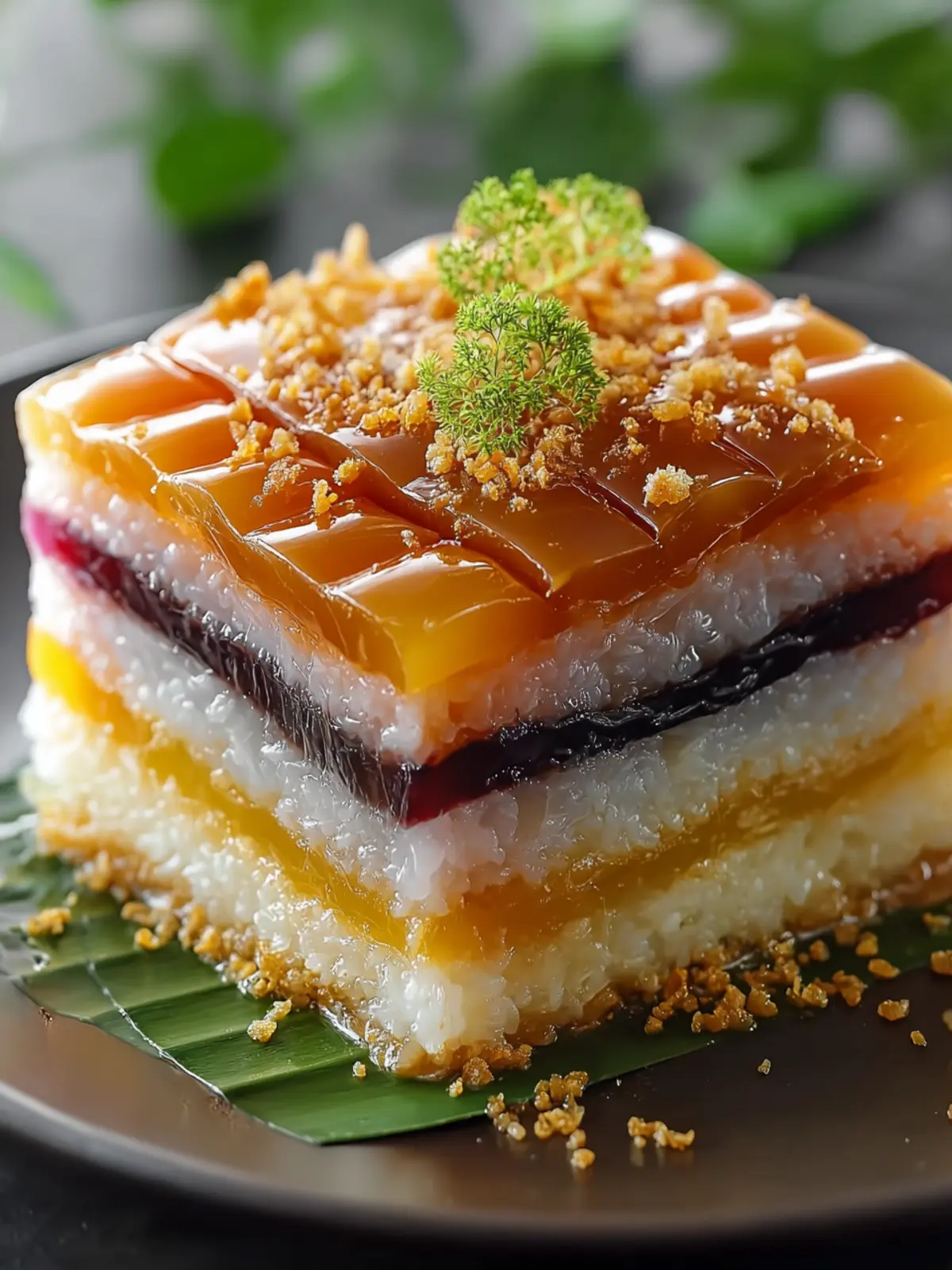
Filipino Sapin-Sapin: Indulgent Layered Rice Cake Bliss

Introduction to Filipino Sapin-Sapin: Delightful Layered Rice Cake Bliss
Imagine strolling through a vibrant Philippine market, with the air rich in the sweet scent of rice desserts, and you’ll likely encounter Sapin-Sapin. This colorful, layered rice cake is not just a treat for the taste buds; it’s a delightful blend of culture and tradition, evoking warm memories and festive celebrations.
Sapin-Sapin embodies everything joyful about Filipino cuisine, employing various layers and flavors that come together beautifully. Each bite reveals a story, whether it’s the sweet notes of coconut, the slight hint of purple yam, or the smoothness of sweet rice. It’s often served during special occasions, family gatherings, or simply as a mid-afternoon snack—bringing people together in a way that only food can.
What is Sapin-Sapin and Why is it a Beloved Classic?
At its core, Filipino Sapin-Sapin is a delicious layered cake made primarily from glutinous rice flour, sugar, and coconut milk, resulting in a chewy yet soft texture that captivates dessert lovers everywhere. The beauty of this dish lies in its presentation; the colorful layers not only make it visually enticing but also introduce diverse flavors. Each layer has its own unique taste and color, often achieved through key ingredients like sweetened coconut, banana, or the iconic ube (purple yam).
This dessert’s versatility is another reason behind its status as a beloved classic. Families have their own cherished recipes, passed down through generations, each adding a personal touch—be it a hint of pandan, a sprinkle of toasted coconut, or even a drizzle of mango syrup. The various flavors speak to the rich Filipino heritage, making every bite a delightful reminder of home and culture.
As you delve into making your own Sapin-Sapin, you’ll find it’s not just about following a recipe; it’s about connecting with your heritage and sharing something truly special with family and friends. Whip out your mixing bowls and get ready to create a layered masterpiece that’s sure to leave a lasting impression!
Key Ingredients for Filipino Sapin-Sapin
Creating the quintessential Filipino sapin-sapin is like crafting a culinary masterpiece, and having the right ingredients is essential for capturing that beloved texture and flavor. Each component plays a vital role in this delightful layered rice cake.
-
Glutinous Rice Flour: This is the star ingredient of sapin-sapin. It provides that signature chewy texture. Make sure to choose high-quality glutinous rice flour for the best results. If that’s hard to find, you can often locate it in Asian markets.
-
Coconut Milk: For a rich, creamy flavor, I turn to coconut milk. It adds a depth of sweetness that elevates the entire dish. Alternatively, if you’re looking for a lighter option, you can substitute with coconut cream, which brings an even more decadent taste.
-
Sugar: I prefer using a combination of brown sugar and regular sugar. The brown sugar adds a magnificent caramel note to the dish, while the granulated sugar sweetens beautifully without overpowering the other flavors.
-
Food Coloring: To achieve the vibrant layers, food coloring is essential. I enjoy using natural colorings like ube (purple yam), pandan (green), and mango for flavors that not only look stunning but also enhance taste.
-
Salt: Just a pinch of salt can make all the difference, balancing the sweetness and amplifying the comforting flavors of your Filipino sapin-sapin.
With these simple, yet essential ingredients, you’re well on your way to creating this delectable treat that will surely impress friends and family alike.
Why You’ll Love This Filipino Sapin-Sapin
Savoring the layers of Filipino sapin-sapin is akin to wrapping yourself in a warm embrace of comforting flavors and vibrant colors. This traditional dessert holds a special place in Filipino culture, often gracing festive tables during celebrations and family gatherings. But even outside of special occasions, it can bring people together with its delightful taste and stunning presentation.
A Rainbow of Flavors
One of the best things about Filipino sapin-sapin is its beautiful layers, each bursting with unique flavors. The emerald green layer made from pandan adds a refreshing, fragrant twist; the bright purple layer, infused with ube, delivers a subtly sweet taste; and the creamy white layer brings a rich, satisfying finish. Each bite offers a surprise, making this dish a memorable experience.
Versatile and Easy to Make
Whether you’re a seasoned chef or a kitchen novice, you’ll find that making sapin-sapin is surprisingly easy. The ingredients are simple and accessible, allowing you to recreate this beloved delicacy in the comfort of your own kitchen. Plus, there’s something incredibly satisfying about layering the different colors and flavors, resulting in something that’s not only delicious but also visually stunning.
A Connection to Tradition
Making Filipino sapin-sapin is more than just a cooking task—it’s a delightful journey into Filipino heritage. Many of us grew up watching family members carefully layer this dish, sharing stories and laughter in the process. By preparing it yourself, you’ll not only indulge in a delicious treat but also connect with cherished traditions.
In short, Filipino sapin-sapin is not just a dessert; it’s a celebration of culture, flavor, and shared moments, making it a must-try for everyone!

Variations of Filipino Sapin-Sapin
Exploring the world of Filipino sapin-sapin reveals a delightful spectrum of flavors and textures that can be tailored to suit any palate. The traditional recipe often provides a satisfying, layered treat, but did you know that there are numerous ways to switch things up?
Ube Explosion
First, let’s talk about ube. A vibrant purple yam, ube brings not only a stunning hue but a subtle sweetness that complements the dish beautifully. Many people opt to replace one of the layers in their sapin-sapin with ube to create a visually striking dessert while adding a unique flavor profile.
Coconut Cream Delight
Another popular variation incorporates coconut cream. By blending it into one of the layers, you introduce a rich and creamy texture that harmonizes wonderfully with the sweet rice flour base. This variation often also includes toasted coconut flakes on top for an added crunch.
Tropical Fruit Fusion
For those wanting a fruitier twist, consider incorporating pureed mango or jackfruit. These tropical flavors not only enhance the overall taste but also add moisture to the layers, making each bite even more irresistible.
Colorful Layering
Ultimately, don’t hesitate to get creative with colors and ingredients. Whether adding a hint of pandan for an aromatic touch or experimenting with different food colors, the variations of Filipino sapin-sapin can be as vibrant as your imagination. So, what will your personalized sapin-sapin look like?
Cooking Tips and Notes for Filipino Sapin-Sapin
Creating the perfect Filipino sapin-sapin is not just about following a recipe; it’s about embracing a rich tradition that brings family and friends together. As you embark on making this delightful layered rice cake, here are some helpful tips and notes to ensure your sapin-sapin turns out beautifully.
Selecting the Right Ingredients
-
Glutinous Rice Flour: This is key to achieving the signature chewy texture of sapin-sapin. Make sure to choose a good quality glutinous rice flour, as it can impact the final product.
-
Coconut Milk: Use fresh coconut milk when possible. It adds a rich, authentic flavor that’s hard to replicate with canned alternatives. If you can’t find fresh, opt for the best quality canned coconut milk.
-
Coloring: To achieve those beautiful layers, food coloring plays an essential role. Experiment with natural colorings, like ube for purple or pandan juice for a green layer. This not only adds color but also enhances flavor.
Achieving the Perfect Layering
When layering, patience is key. Pour the first layer, let it set for a while (ideally 10-15 minutes) before adding the next. This allows each layer to form nicely without mixing. If you’re feeling adventurous, consider adding a layer of beans or latik for an extra twist!
Serving Suggestions
Serve your sapin-sapin chilled or at room temperature, topped with latik (coconut curds) for a truly traditional experience. Cut it into bite-sized squares for easy sharing at gatherings or family get-togethers.
With these tips, you’re well on your way to mastering the art of making the perfect Filipino sapin-sapin. Enjoy the process and, most importantly, the delightful taste!

Serving Suggestions for Filipino Sapin-Sapin
Unveiling the delightful layers of Filipino Sapin-Sapin is just the beginning—it’s how you serve it that truly enhances the experience. Traditionally enjoyed during special occasions, you can easily elevate this visually enticing dish for everyday gatherings.
Pair with Traditional Filipino Dishes
Sapin-Sapin shines when paired with other Filipino favorites. Consider serving it alongside a warm bowl of Pancit or a platter of Lumpiang Shanghai. The contrast of flavors will surely make for a memorable meal.
Enjoy with Coconut Cream
Drizzling a thick coconut cream over your Filipino Sapin-Sapin not only adds richness but also complements its modest sweetness. To make it even better, sprinkle toasted sesame seeds on top for added texture.
Serve as a Dessert or Snack
Whether it’s an afternoon snack or the grand finale to your dinner, Sapin-Sapin fits perfectly. Cut it into small squares, and watch your friends and family delight in their vibrant colors and delightful textures.
In what setting will you enjoy your next slice of Filipino Sapin-Sapin?
Print
Ube and Jackfruit Layer Cake
- Total Time: 1 hour 30 minutes
- Yield: 10 servings 1x
- Diet: vegetarian
Description
A delicious and colorful layered cake made with ube and jackfruit, perfect for special occasions.
Ingredients
Scale
- 2 cups Glutinous Rice Flour
- 1 cup Rice Flour
- 2 cups Coconut Milk
- 1 cup Coconut Cream
- 3/4 cup White Sugar
- 1 tsp Vanilla Extract
- 1/2 tsp Salt
- 1 cup Ube Halaya
- 1 cup Jackfruit Purée
- 1 tbsp Yellow Food Coloring
- 1 cup Coconut Cream (for latik)
Instructions
- Prepare the Latik: Simmer coconut cream in a saucepan over medium heat, stirring occasionally. Cook until thick and golden brown, about 10-15 minutes. Strain and set aside.
- Mix Dry Ingredients: In a large bowl, combine glutinous rice flour, rice flour, sugar, and salt. Whisk until blended.
- Add Coconut Milk: Gradually whisk in the coconut milk until you achieve a smooth batter. Add vanilla extract and stir.
- Divide the Batter: Separate the batter into three portions. Stir in ube halaya into one, jackfruit purée into another, and leave the last plain.
- Prep the Steamer: Grease a round pan and set up your steamer with boiling water.
- Steam the Ube Layer: Pour ube batter into the pan, cover, and steam for 15-20 minutes until set.
- Add the Jackfruit Layer: Pour the jackfruit batter over the ube, smooth, and steam for another 15-20 minutes.
- Finish with the Plain Layer: Pour in the plain batter and steam for 25-30 minutes.
- Cool and Serve: Let the cake cool completely. Invert onto a platter, brush with coconut oil, top with latik, and slice into wedges.
Notes
- This recipe can be adjusted to include more or less sugar depending on your preference.
- Ensure the steamer is at a rolling boil before placing the batter in for the best results.
- Prep Time: 30 minutes
- Cook Time: 1 hour
- Category: Dessert
- Method: steaming
- Cuisine: Filipino
Nutrition
- Serving Size: 1 slice
- Calories: 250
- Sugar: 12g
- Sodium: 150mg
- Fat: 9g
- Saturated Fat: 6g
- Unsaturated Fat: 2g
- Trans Fat: 0g
- Carbohydrates: 36g
- Fiber: 2g
- Protein: 3g
- Cholesterol: 0mg


