Follow Me On Social Media!

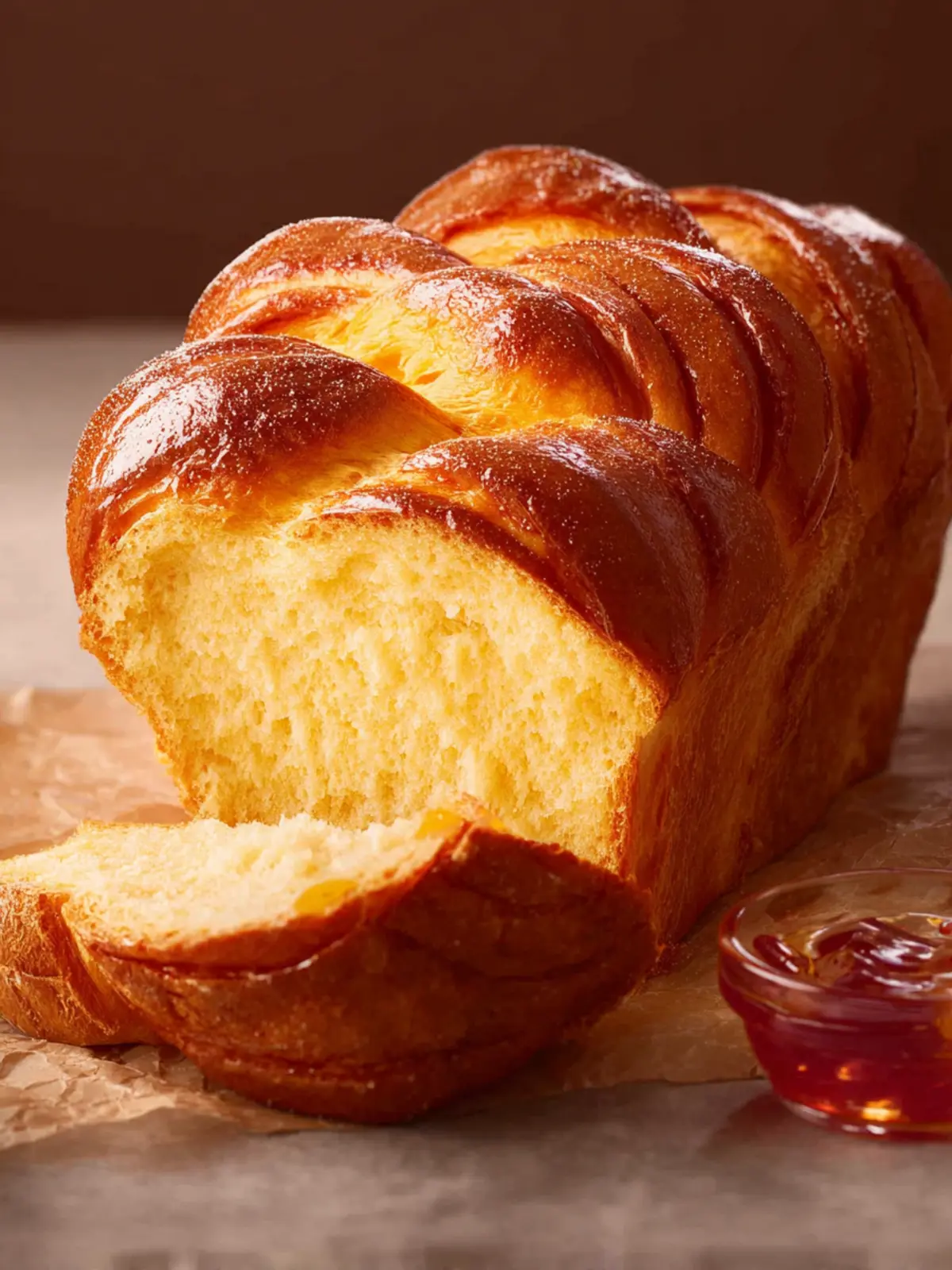
Brioche Bread Bliss: The Best Homemade Recipe Ever!

Introduction to Brioche Bread
Brioche bread is more than just a baked good; it’s an experience. Imagine slicing into a loaf that’s light, buttery, and slightly sweet, inviting you to savor each bite. This luxurious bread originates from France, where it has become a staple in bakeries and households alike. The key to its irresistible charm lies in its rich ingredients and delicate preparation, transforming simple components into something extraordinary.
Whether enjoyed as a breakfast treat, a base for French toast, or even as a delightful sandwich, brioche bread can elevate any meal. Its tender crumb and gleaming golden crust beckon you to indulge, making every occasion just a bit more special.
What Makes Brioche So Irresistible?
The allure of brioche bread lies in its unique texture and flavor. Here’s what sets it apart:
-
Richness: The generous use of butter and eggs gives brioche a rich taste and a wonderfully soft texture. Each slice melts in your mouth, providing that comforting, indulgent sensation we all crave.
-
Versatility: This bread isn’t just for breakfast. You can use brioche for everything from sweet bread puddings to savory sandwiches. Try it lightly toasted with a smear of jam or as the foundation for a gourmet burger.
-
Aromatic Perfection: The delightful scent of fresh brioche wafting from the oven is enough to bring anyone into the kitchen. Imagine the golden-brown crust crackling, revealing a pillowy interior. It’s hard to resist!
Baking brioche might sound complex, but with a little patience and practice, you’ll find it incredibly rewarding. It’s a beautiful way to showcase your baking skills, impress your friends, or simply enjoy something special at home. So why not indulge in this timeless classic? You’ll soon discover why brioche bread has a beloved place in the hearts (and stomachs) of so many.
Key Ingredients for Brioche Bread
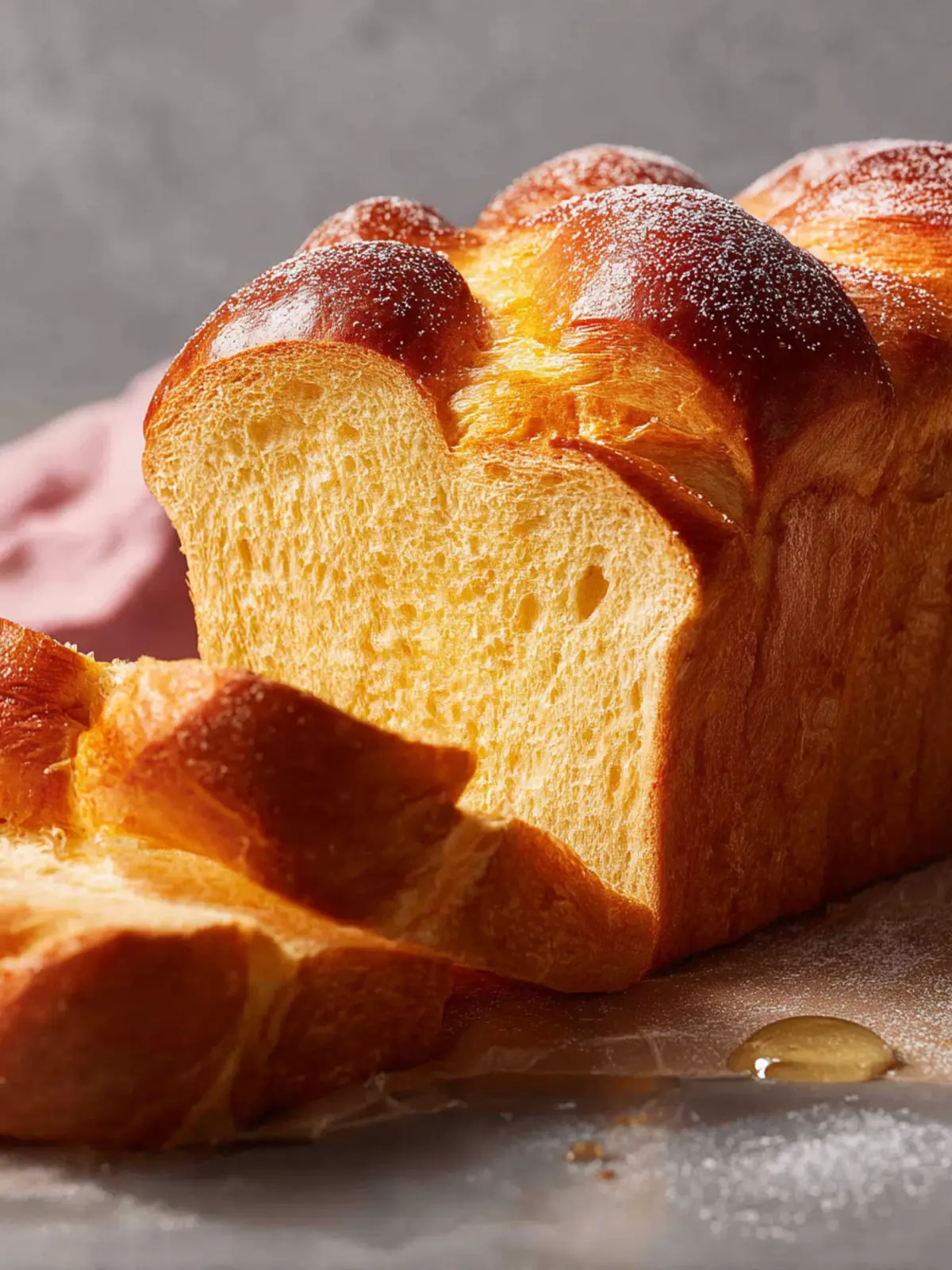
When creating the perfect brioche bread, the right ingredients can transform your baking experience into a delightful journey of flavor and texture. Each component plays a vital role in producing a soft, buttery loaf that speaks of warmth and comfort.
-
Flour: I always choose high-protein all-purpose flour for making brioche bread. It provides the structure needed to support the bread’s rich texture while allowing it to rise beautifully.
-
Butter: The star of this recipe is unsalted butter. I love using it at room temperature so it blends seamlessly into the dough, giving that irresistible richness and flavor that makes brioche stand out.
-
Eggs: The magic of brioche truly shines through with the addition of large eggs. Their yolks lend a vibrant yellow hue and contribute to the soft, tender crumb we all crave.
-
Milk: I use whole milk, as it adds creaminess and moisture. Warm it slightly before adding it to the dough to help activate the yeast.
-
Sugar: A bit of sugar is essential—not just for sweetness but also to aid in browning and flavor depth. It perfectly balances the richness of the butter and eggs.
-
Yeast: Active dry yeast is my go-to, ensuring that our brioche bread rises flawlessly and develops that airy texture.
-
Salt: Lastly, a pinch of salt brings all the flavors together, enhancing every bite without overpowering the sweetness.
With these key ingredients, you’re all set to create a brioche bread that your friends and family will adore!
Why You’ll Love This Brioche Bread
Baking brioche bread is not just a culinary task; it’s a delightful journey that transforms your kitchen into a sanctuary of warmth and flavor. Imagine the rich aroma of buttery dough enveloping your space, inviting friends and family to gather. Each bite is a testament to the art of baking—light, airy, and decadently indulgent.
Its Irresistible Texture
What sets brioche bread apart is its unique, soft texture. The dough is enriched with eggs and butter, giving it a luxurious feel that’s perfect for breakfast, brunch, or an afternoon snack. Picture slathering a slice with your favorite jam or making a gourmet French toast—absolute bliss!
Flavor that Dances on the Palate
With a subtle sweetness, brioche bread works beautifully in both savory and sweet dishes. It’s versatile enough to elevate a simple sandwich into a gourmet experience or to be enjoyed plain with a sprinkle of powdered sugar.
Bake it Your Way
Once you master this recipe, the possibilities are endless! Whether you enjoy it fresh from the oven or as part of a family gathering, brioche bread invites creativity. Experiment with flavors by adding spices or even chocolate chips for a decadent twist.
So grab your apron, and let’s create a loaf that’s not just bread but a delightful experience!

Exploring Variations of Brioche Bread
Brioche bread is a marvel of baking that brings warmth and delight to any table. Imagine slicing into a loaf that’s not only soft but also rich, buttery, and versatile! While a classic brioche is truly special on its own, exploring variations can ignite your creativity in the kitchen. Let’s dive into some delightful options.
Sweet Additions
-
Chocolate Chip Brioche: Incorporating chocolate chips brings a sweet, indulgent twist. Simply fold them into your dough before the final rise for a delightful surprise in every bite.
-
Cinnamon Raisin Brioche: Swirl in a mixture of cinnamon and raisins for a classic flavor combination. This adds a comforting spice and texture that’s perfect toasted with butter.
Savory Twists
-
Herbed Brioche: For a savory delight, mix in finely chopped herbs like rosemary or thyme into your dough. This variation pairs beautifully with cheeses or as part of a sandwich.
-
Cheese Brioche: Add shredded cheese, such as Gruyère or cheddar, into the dough. This gives you a flavorful bread perfect for breakfast or as a sophisticated side.
Alternative Flavors
- Fruit-Studded Brioche: Incorporate bits of dried fruit like apricots or cranberries to add hints of sweetness and bursts of flavor in each bite.
By experimenting with these variations of brioche bread, you can create custom loaves that reflect your tastes and make any meal feel extra special. What’s your favorite twist?
Cooking Tips and Notes for Brioche Bread
Embarking on the journey of making brioche bread can feel like stepping into a fragrant bakery, where soft, pillowy loaves promise delight with every bite. As someone who loves experimenting in the kitchen, I’ve gathered some valuable tips that can elevate your brioche-making experience.
Understanding the Ingredients
- Flour: Use bread flour or all-purpose flour for the best structure. Bread flour has higher protein content, giving your brioche that desirable chewiness.
- Yeast: Active dry yeast or instant yeast both work well. Remember to activate dry yeast in warm water or milk before mixing it in for a bubbly rise.
- Eggs: Fresh eggs contribute richness and moisture. I always opt for large eggs, as consistency is key in achieving the perfect texture.
- Butter: Incorporating softened unsalted butter is essential for that buttery flavor. Let it come to room temperature before mixing—this helps in creating a smooth dough.
- Milk: Warm milk adds sweetness and moisture while enhancing the yeast’s performance. Just ensure it’s not too hot to avoid killing the yeast.
Kneading and Proving Tips
- Kneading: A thorough knead (about 10 minutes) ensures gluten development. If you’re short on time, consider using a stand mixer with a dough hook.
- First Rise: Allow your dough to double in size in a warm, draft-free place for optimal fermentation. An oven with just the light on works wonders.
- Second Rise: Don’t rush the second rise after shaping your loaves! This step is crucial for achieving that fluffy texture you’re after.
Taking time to focus on these details will undoubtedly enhance your brioche bread making adventure. Enjoy the process and savor the delightful aroma as it bakes!

Serving Suggestions for Brioche Bread
Brioche bread is not just a delectable treat; it’s a canvas for creativity, capable of transforming your meals and snacks into something extraordinary. Imagine how this sweet and buttery bread can elevate your breakfast routine or turn a simple dinner into a gourmet experience.
Breakfast Bliss
Start your day by toasting slices of brioche bread until they are golden brown. Top with a generous spread of creamy cream cheese and a drizzle of honey or maple syrup. For something fruity, consider adding fresh berries or banana slices, making each bite sweet and satisfying.
Savory Pairings
Think beyond sweet toppings. Brioche bread makes an excellent base for savory dishes too! Use it to create a rich French toast by dipping the slices in a mixture of eggs, milk, and spices, then cook until golden. Pair this with crispy bacon or sautéed spinach for a delightful breakfast that will impress guests.
Deli Sandwiches
For lunch, brioche bread shines in sandwiches. Its soft texture makes it perfect for gourmet sandwiches filled with grilled chicken, avocado, and tangy aioli. Slice it into mini sandwiches for an enticing appetizer at parties.
Dessert Delights
Don’t forget about dessert! Brioche bread can also star in a classic bread pudding. Tear pieces of this luscious bread, soak it in a mix of dairy and spices, bake until set, and serve with a scoop of ice cream for a heavenly finish to any meal.
With these serving suggestions, your delightful brioche bread will undoubtedly become a household favorite!
Time Breakdown for Brioche Bread
Creating a loaf of brioche bread is a truly rewarding experience, and understanding the timeline can help make it a smooth process.
Preparation time
The initial prep for brioche bread takes about 20 minutes. This includes gathering your ingredients and mixing them together until they form a smooth dough.
Rising time
Once you’ve kneaded the dough, it needs time to rise—about 1.5 to 2 hours. This allows it to double in size, which is crucial for that fluffy texture we all love.
Baking time
After shaping the dough, bake it for 25 to 30 minutes. You’ll know it’s ready when you see its golden brown crust.
Total time
In total, you’re looking at around 3 to 4 hours from start to finish, including rising and baking. Trust me, the wait is worth it for that warm, buttery slice of brioche bread.
Nutritional Facts for Brioche Bread
Brioche bread, with its soft texture and rich flavor, not only satisfies the taste buds but also packs a nutritional punch. Here’s a closer look at what you’re getting when you indulge in this delectable treat.
Calories
A slice of brioche bread typically contains around 150 calories, making it a moderately indulgent choice that’s perfect for breakfast or as a sweet snack.
Protein
In each slice of brioche bread, you’ll find roughly 5 grams of protein. While it’s not a protein powerhouse, it contributes to a balanced diet, especially when paired with eggs or nut butter.
Fat
Brioche bread contains about 7 grams of fat per slice, mainly from the butter used in the recipe. This not only enhances flavor but also provides a satisfying richness that is hard to resist.
Sugar
With around 4 grams of sugar per slice, brioche bread offers a hint of sweetness. This delightful touch makes it perfect for both savory and sweet toppings, from jam to avocado.
Enjoying brioche bread in moderation can definitely be part of a wholesome diet!
FAQs About Brioche Bread
Baking brioche bread can be a delightful experience, but certain questions often arise along the way. Here’s a quick guide to help you navigate some common queries.
How do I know when my brioche is fully baked?
A perfectly baked brioche should have a rich golden-brown color and feel light to the touch. Insert a thermometer into the center of the loaf; it should read about 190°F (88°C) when done. If you don’t have a thermometer, a toothpick test works well too—if it comes out clean or with a few moist crumbs, you’re good to go!
Can I freeze freshly baked brioche?
Absolutely! Freezing brioche bread is a fantastic way to preserve its softness. Allow the bread to cool completely, then wrap it tightly in plastic wrap or aluminum foil. For added protection, place it in a freezer-safe bag. You can easily thaw it overnight in the fridge, or pop slices directly in the toaster for a quick breakfast.
What’s the best way to store brioche bread?
To keep your brioche bread fresh, store it at room temperature in a cool, dry place. Use a bread box or wrap it in a clean kitchen towel to maintain moisture without causing sogginess. If you won’t consume it within a few days, consider slicing it and freezing the pieces for later enjoyment.
Embrace your brioche baking journey, and don’t hesitate to experiment and enjoy!
Conclusion on Brioche Bread
Creating an indulgent, fluffy brioche bread is not just a baking task; it’s a delightful experience that fills your kitchen with warmth and the aroma of sweet, buttery goodness. With each bite, you can truly appreciate the rich flavor and soft texture that makes this bread perfect for both breakfast and dessert. Remember, the quality of your ingredients plays a crucial role in achieving that luxurious taste. Whether you enjoy it plain, with jam, or as French toast, your homemade brioche is bound to impress friends and family. So roll up your sleeves and let your oven work its magic!
Print
Braided Bread
- Total Time: 1 hour
- Yield: 1 loaf 1x
- Diet: Vegetarian
Description
This delicious braided bread is soft and perfect for any occasion.
Ingredients
Scale
- 3 cups all-purpose flour (divided) (360g)
- ½ cup warm milk (110-120°F) (120mL)
- 3 tablespoons granulated sugar (divided)
- 1 packet active dry yeast (2¼ teaspoons)
- 4 large eggs (divided)
- 1¼ teaspoons salt
- 10 tablespoons unsalted butter (softened and cubed) (140g)
- 1 tablespoon water
Instructions
- To make the sponge, in the bowl of a stand mixer, whisk together ½ cup flour, the milk, 1 tablespoon sugar, and the yeast until combined. Loosely cover, and let stand at room temperature, until foamy, 30 to 45 minutes.
- Once the sponge is ready, add 3 eggs, the salt, remaining 2½ cups flour, and remaining 2 tablespoons sugar. With dough hook attachment, beat on medium-low speed until well combined, about 1 minute scraping down the bowl as needed. Continue mixing until the dough is shiny and elastic, about 8 minutes.
- With the mixer on low speed, gradually add in the butter 1 tablespoon at a time, waiting until it is fully incorporated before adding the next tablespoon.
- Once all of the butter is incorporated, increase the speed to medium-low and continue kneading until the dough is smooth and elastic, about 8 minutes more. Scrape the dough down into the bowl. Cover, and let rise in a warm place until doubled in size, about 45 minutes.
- Lightly grease a 8¼x4½-inch loaf pan with softened butter.
- Punch down the dough and turn out onto a lightly floured surface. Cut the dough into 3 equal pieces, and roll each piece into a 9-inch long rope. Braid the ropes together, pinching ends together to seal. Tuck the ends under and place in the buttered loaf pan. Loosely cover, and let rise in a warm place until doubled in size, about 40 to 60 minutes. (It should be puffed up above the top rim of the pan.)
- After the loaf has risen for 20 minutes, preheat the oven to 375°F.
- In a small bowl, whisk together the water and remaining 1 egg until smooth. Brush the top of the risen loaf with egg wash.
- Bake for 35 to 40 minutes or until deep golden brown, covering with aluminum foil after 25 minutes if the top is browning too quickly. Let the bread cool in the pan for 5 minutes, then remove the loaf, and continue cooling on a wire rack.
- Serve warm or at room temperature. Store cooled bread in an airtight container for up to 1 week, or slice and freeze in a freezer bag for up to 2 months.
Notes
- Ensure the milk is warm, not hot, for optimal yeast activation.
- This bread can be served with butter or jam for breakfast.
- Prep Time: 20 minutes
- Cook Time: 40 minutes
- Category: Bread
- Method: Baking
- Cuisine: American
Nutrition
- Serving Size: 1 slice
- Calories: 200
- Sugar: 3g
- Sodium: 200mg
- Fat: 10g
- Saturated Fat: 5g
- Unsaturated Fat: 5g
- Trans Fat: 0g
- Carbohydrates: 25g
- Fiber: 1g
- Protein: 5g
- Cholesterol: 70mg