Follow Me On Social Media!

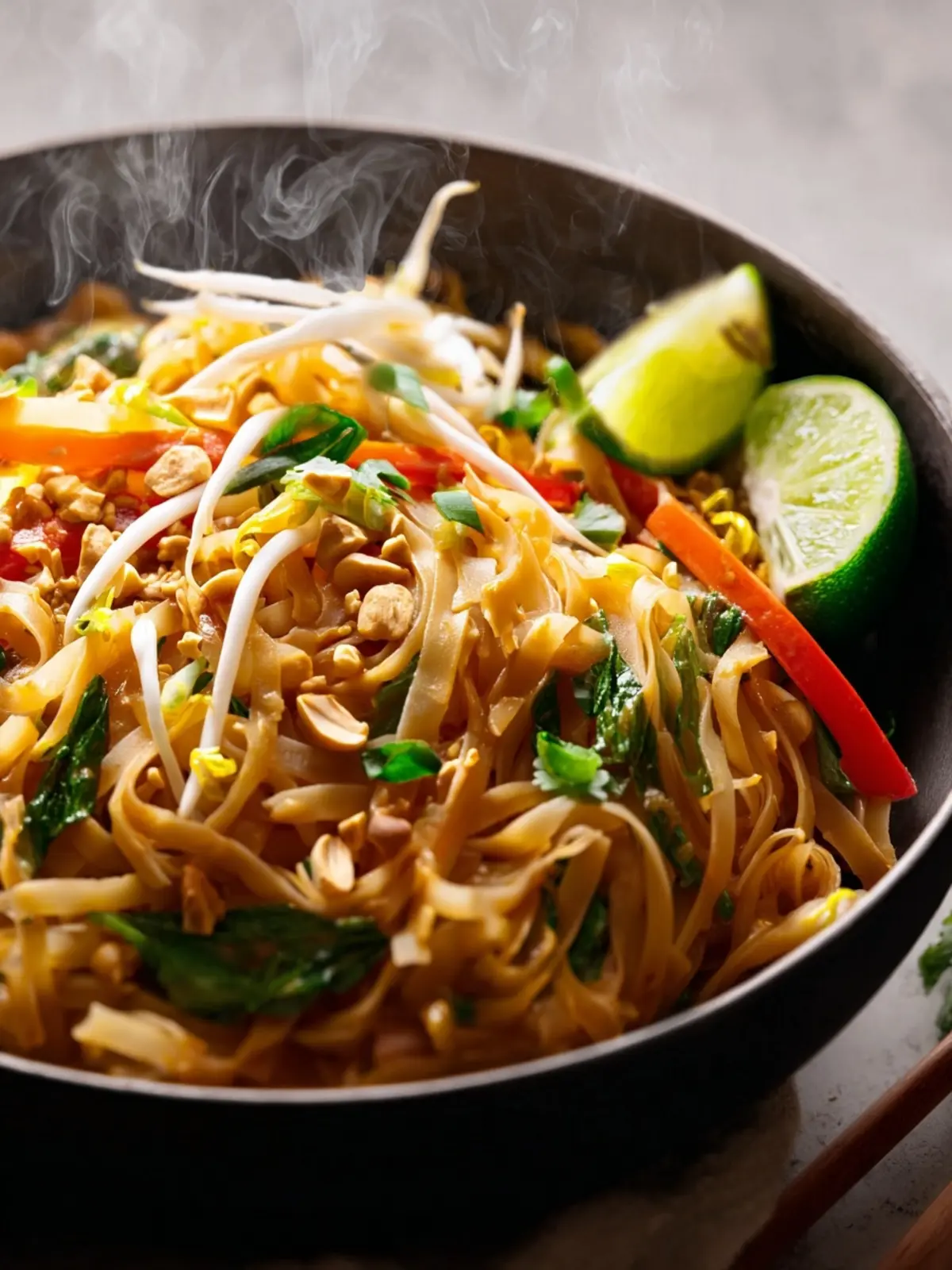
Vegetarian Pad Thai: The Best Homemade Sauce You’ll Crave

Introduction to Vegetarian Pad Thai with Homemade Sauce
Embarking on the culinary journey of Vegetarian Pad Thai with Homemade Sauce is like taking a vibrant trip to Thailand without leaving your kitchen. The enticing aroma of stir-fried veggies and the perfectly balanced flavors of sweet, savory, and tangy in each mouthful can transport you to bustling street markets filled with tantalizing food stalls. This dish is not just a meal; it’s a celebration of the colorful ingredients that unite to create a satisfying and nourishing experience aimed right at the heart.
What makes Vegetarian Pad Thai so appealing?
There’s a magic in the simplicity of Vegetarian Pad Thai. Whether you’re a dedicated vegetarian or just looking to incorporate more plant-based meals into your week, this dish captures the essence of comfort food while being rich in nutrients. Imagine tender rice noodles embracing an assortment of fresh vegetables, tofu, and revitalizing herbs, all tossed in a homemade sauce that you can tailor to your taste buds.
- Versatility: One of the most attractive features is its adaptability. You can easily modify the veggies based on what’s fresh and in season, allowing each preparation to be unique.
- Color and Texture: The lush colors from bell peppers, carrots, and green onions add visual appeal, while the crunch from peanuts and the chewiness of tofu provide a satisfying variety in texture.
- Nutritional Benefits: Packed with fiber, vitamins, and minerals, this dish doesn’t just fill your stomach; it feeds your body. The combination of tofu and vegetables also provides a great protein boost without any meat.
- Simplicity in Preparation: You don’t have to be a culinary genius to whip up this dish. With straightforward steps and accessible ingredients, making Vegetarian Pad Thai can be a fun and rewarding experience, perfect for busy weeknights or casual get-togethers.
By creating your own sauce, you can enhance the flavors and make a healthier version that doesn’t skimp on taste. Just imagine the satisfaction of sharing your homemade version with friends, all while enjoying the delightful fusion of flavors that make Pad Thai a classic favorite!
Key Ingredients for Vegetarian Pad Thai with Homemade Sauce
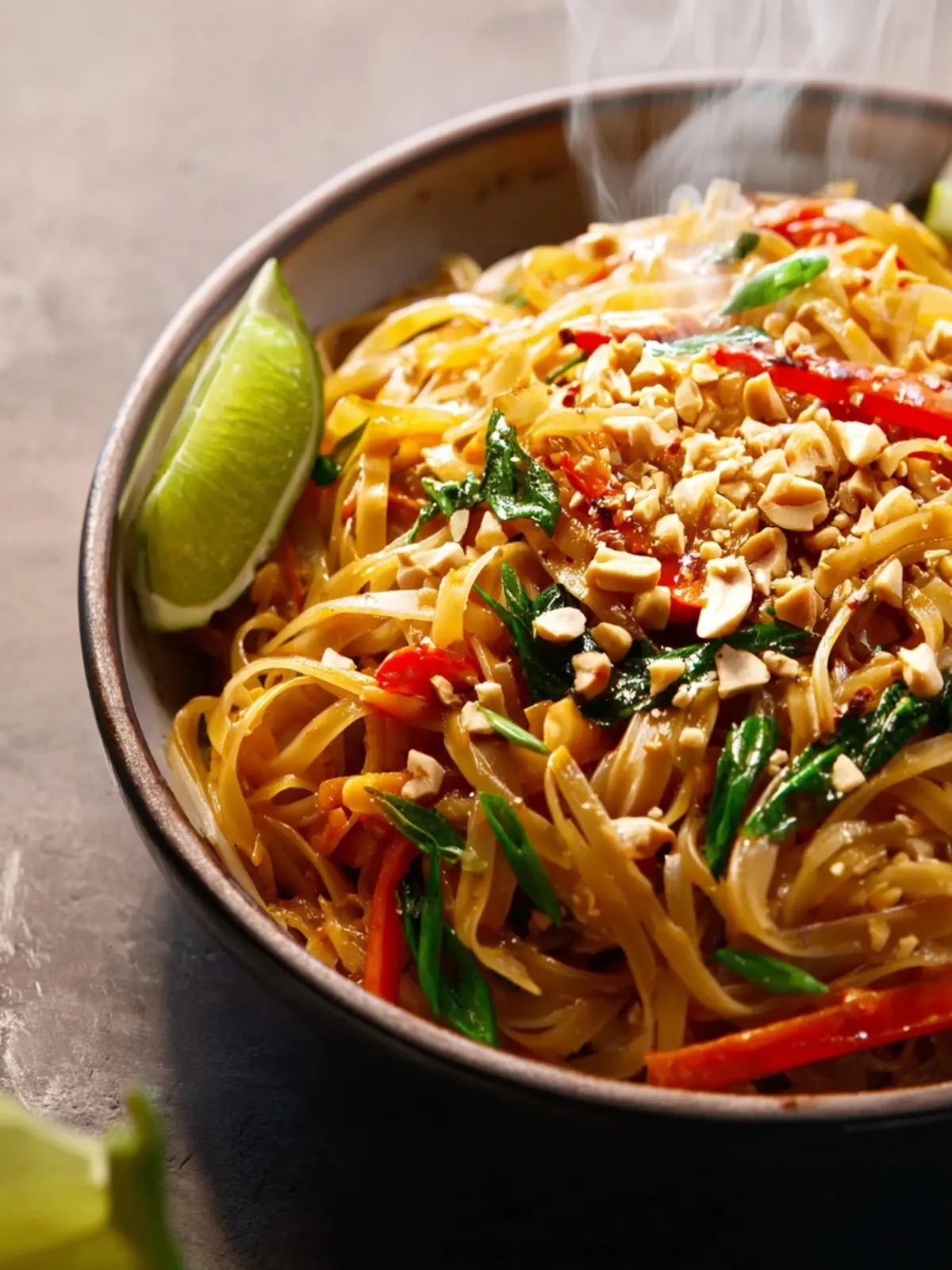
To create a truly unforgettable Vegetarian Pad Thai, it’s crucial to select the right ingredients for that perfect balance of flavors and textures. Here’s what you need:
-
Rice Noodles: I opt for wide rice noodles because they absorb the flavors beautifully. Soak them in warm water before cooking to ensure they’re tender yet chewy.
-
Tofu: Firm tofu is my go-to protein for this dish. When sautéed until golden, it adds a delightful texture and absorbs the sauce wonderfully.
-
Vegetables: Fresh bean sprouts, bell peppers, and carrots not only add color but also provide a crunch that elevates each bite.
-
Green Onions: Chopped green onions are essential for that mild onion flavor and freshness, a must-have garnish before serving.
-
Peanuts: Crushed peanuts provide an added crunch and a nutty finish, which complements the dish perfectly.
-
Homemade Sauce: Blending soy sauce, tamarind paste, and a touch of sugar creates a dynamic sauce that’s both tangy and savory.
Each ingredient plays a vital role in crafting a delicious Vegetarian Pad Thai that will impress both your taste buds and your guests.
Why You’ll Love This Recipe
Creating Vegetarian Pad Thai with Homemade Sauce is like traveling to the vibrant streets of Thailand without leaving your kitchen. This recipe not only encapsulates the essence of authentic Pad Thai but also brings a wholesome twist, making it perfect for those looking to savor traditional flavors while enjoying plant-based ingredients.
What’s especially wonderful about this dish is the homemade sauce, which adds layers of flavor that store-bought versions simply can’t match. The balance of tamarind, soy sauce, and a hint of sweetness provides a depth that elevates the dish immensely. Each bite is a delightful combination of smoky, sweet, and tangy notes that dance on your palate.
- Fresh Ingredients: Emphasizing the use of crisp vegetables and aromatic herbs, this recipe allows you to customize based on what’s in season or what you have on hand.
- Health Benefits: Packed with protein-rich tofu and vibrant veggies, it’s not just a treat for your taste buds but also a wholesome choice for your body.
- Easy to Whip Up: You don’t need to be a culinary expert to impress with this dish. In just a few steps, you’ll have a restaurant-quality meal ready to share with friends or enjoy during a cozy night in.
Dive in and discover why this Vegetarian Pad Thai will quickly become a staple in your meal rotation!
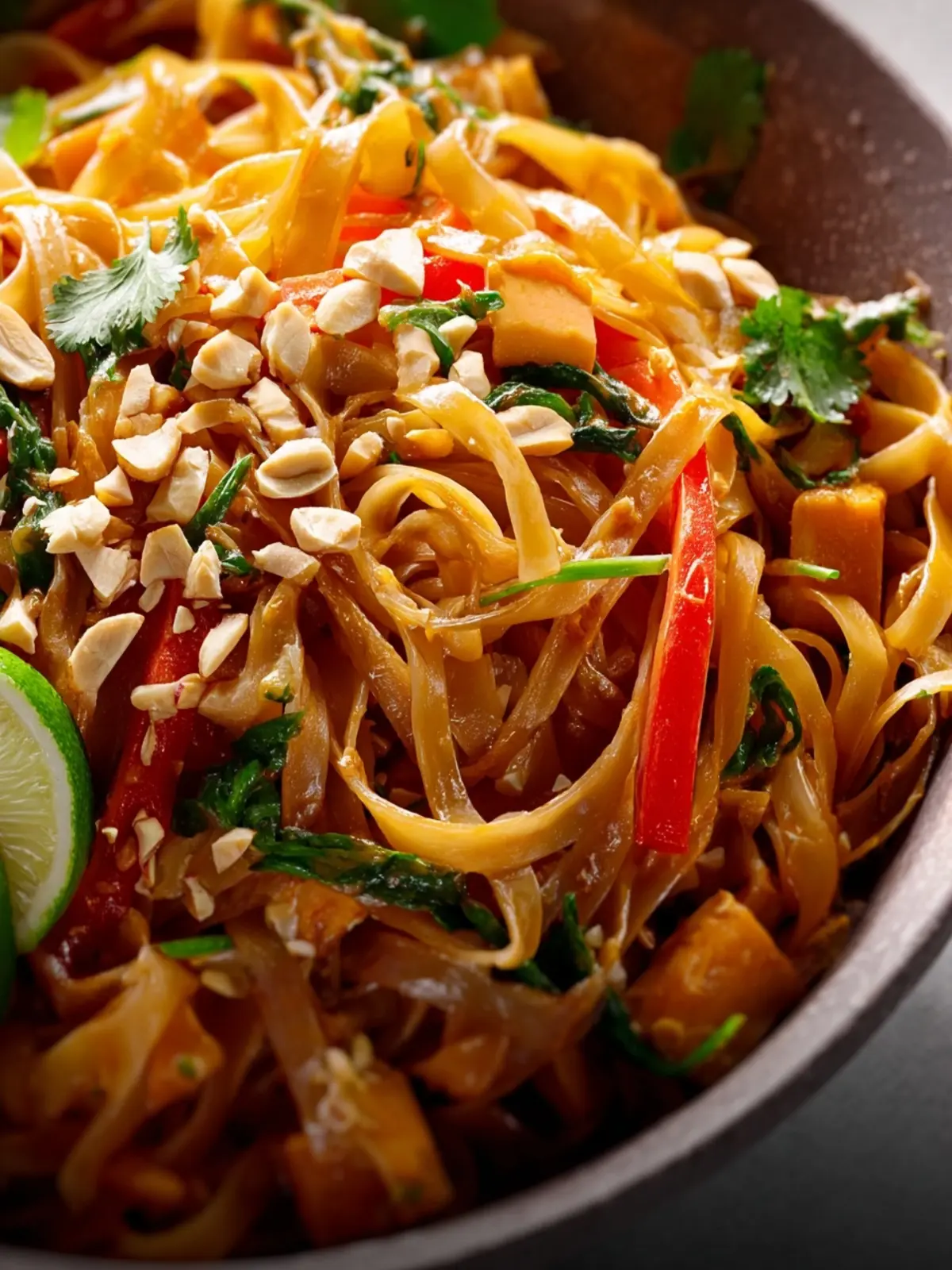
Variations of Vegetarian Pad Thai
The beauty of Vegetarian Pad Thai lies in its versatility; you can easily adapt this beloved dish to suit your tastes or the ingredients you have on hand. Here are some delightful variations to consider:
Tofu Delight: For a protein boost, add cubes of tofu. Firm tofu works best; pan-fry or grill it until golden and crispy for an extra texture that complements the noodles beautifully.
Nutty Twist: Incorporate a mix of nuts, such as peanuts or cashews, for added crunch and richness. You can also try using almond butter in the homemade sauce for a nutty flavor that elevates the dish.
Hearty Veggie Medley: Load up your Vegetarian Pad Thai with vegetables like bell peppers, zucchini, or broccoli. They not only add color but also enhance the nutritional profile of the dish, making it heartier.
Spicy Kick: If you crave more heat, toss in some Thai chili flakes or fresh chopped chili. This simple addition can transform the flavor profile, giving your pad thai an exciting spicy edge.
Zoodle Version: For a low-carb option, substitute traditional rice noodles with spiralized zucchini (zoodles). This variation maintains the essence of Pad Thai while offering a fresh, lighter alternative that satisfies any craving.
These variations not only keep your meals interesting but also encourage creativity in the kitchen. Enjoy experimenting!
Cooking Tips and Notes
Crafting the perfect Vegetarian Pad Thai is not just about following a recipe; it’s about exploring flavors and enjoying the cooking process. Here are some friendly tips to elevate your dish!
Fresh Ingredients Matter
Using fresh vegetables like bell peppers, carrots, and bean sprouts not only enhances the flavor of your Vegetarian Pad Thai but also adds a delightful crunch. If you have access to local farmers’ markets, consider sourcing your produce there — it can really make a difference!
Customize Your Protein
Feel free to play around with plant-based proteins. Tofu is a classic choice, but have you tried tempeh or edamame? Both options pair beautifully with the savory sauce and add an extra nutritional boost.
Master the Sauce
The homemade sauce is key! Don’t hesitate to adjust the balance of soy sauce, tamarind paste, and lime juice to suit your taste. A touch more lime can add brightness, while a bit more soy sauce can enhance umami. Tasting as you go is essential.
Timing is Everything
When cooking the noodles, aim for al dente. They’ll continue to soften as they mix with the sauce. Also, if you want to get that real street-food feel, cook everything on high heat and don’t overcrowd the pan. This helps achieve that delicious, slightly charred flavor.
These simple yet effective tips should help you whip up a delightful batch of Vegetarian Pad Thai that impresses friends and family alike! Enjoy the process and happy cooking!
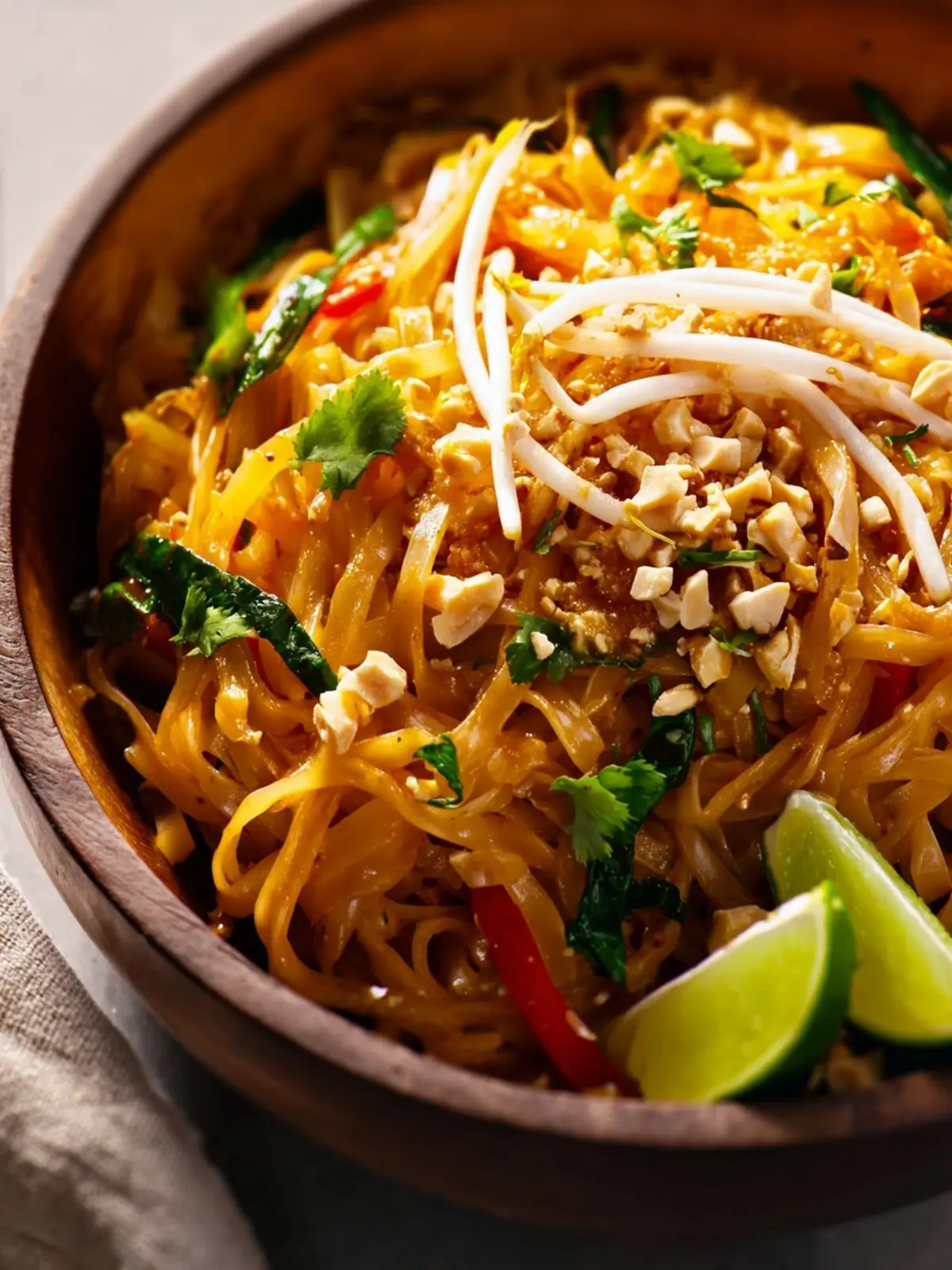
Serving Suggestions for Vegetarian Pad Thai
Indulging in a plate of Vegetarian Pad Thai is more than just a meal; it’s an experience that invites creativity and personal touches to enhance its delightful flavors. Here are some suggestions to elevate your dish and make it truly memorable.
Pair with Fresh Herbs and Lime
Adding a sprinkle of fresh herbs like cilantro or green onions brings a vibrant pop of color and flavor. Don’t forget a wedge of lime! A quick squeeze just before digging in brightens the dish beautifully.
Add Crispy Tofu or Tempeh
For a satisfying texture contrast, consider topping your Vegetarian Pad Thai with crispy tofu or tempeh. Simply pan-fry or bake your protein of choice until golden and crispy, then sprinkle it over the noodles for added crunch and protein.
Serve with a Side of Veggies
Round out your meal with a side of steamed broccoli or an Asian-inspired cucumber salad. This adds not just nutritional value but also a refreshing balance to the rich flavors of the Pad Thai.
Experiment with Nuts and Seeds
Adding roasted peanuts is traditional, but why not try sesame seeds or cashews for a delightful crunch? A touch of crushed red pepper flakes can also introduce a bit of heat for those who love a spicy kick.
The beauty of Vegetarian Pad Thai lies in its versatility, so feel free to mix and match these suggestions to create your perfect plate!
Time Breakdown for Vegetarian Pad Thai
Crafting a delicious Vegetarian Pad Thai at home is a rewarding experience that beckons the flavors of Thailand right into your kitchen. Understanding the timing can make it even more enjoyable, helping you to organize your meal prep.
Preparation time
Around 15 minutes is all you need to gather ingredients, chop vegetables, and whisk together your homemade sauce. It’s a great way to unwind after a long day while you chop your way to a delightful meal.
Cooking time
In just 20 minutes, you can turn those freshly prepared ingredients into a mouthwatering dish. The sizzling sounds of your vegetables dancing in the pan will make your kitchen come alive.
Total time
Put it all together, and you’re looking at a total commitment of 35 minutes from start to finish. That’s just enough time to set the mood for a cozy dinner and enjoy the aromatic experience of cooking your very own Vegetarian Pad Thai.
Nutritional Facts for Vegetarian Pad Thai
Crafting a delicious Vegetarian Pad Thai is not just about the vibrant flavors, but also about nourishing your body. Let’s dive into the nutritional highlights, so you know precisely what you’re savoring with each bite!
Calories
This hearty dish offers approximately 350-400 calories per serving. It’s a fantastic balance that provides energy without weighing you down, making it perfect for a weekday meal.
Protein
Packed with plant-based goodness, Vegetarian Pad Thai boasts about 14 grams of protein per serving. Thanks to the tofu and peanuts, it’s an excellent source for those looking to boost their protein intake without meat.
Sodium
While many dishes can be high in sodium, this version of Vegetarian Pad Thai contains around 800 milligrams per serving. For those monitoring their sodium, feel free to adjust the soy sauce to keep it flavorful yet heart-healthy.
Enjoying a satisfying meal that’s both nutritious and delicious is just a recipe away!
FAQ for Vegetarian Pad Thai
Delving into the world of Vegetarian Pad Thai, you might find that this dish isn’t just a treat for the taste buds; it’s also a versatile option that fits various lifestyles. Whether you’re a seasoned culinary wizard or just starting out, you may have some questions about making this delicious dish.
Can I make this dish ahead of time?
Absolutely! You can prepare your Vegetarian Pad Thai ahead of time, which makes it perfect for meal prep or when you have a busy week ahead. Just cook the noodles and veggies, then store them together in an airtight container. Keep the homemade sauce separate; this keeps everything fresh and flavorful. When you’re ready to serve, simply reheat, toss in the sauce, and enjoy your delicious meal.
What can I substitute for rice noodles?
If you can’t find rice noodles, don’t worry! You can substitute them with several other options. Try using:
- Zucchini noodles for a low-carb alternative.
- Whole wheat spaghetti or other pasta if you prefer a denser texture.
- Shirataki noodles for a low-calorie option.
Each will give you a different texture, but they’ll complement the flavors of your Vegetarian Pad Thai beautifully.
How do I store leftover Pad Thai?
To store your leftover Vegetarian Pad Thai, allow it to cool completely before packing it away in an airtight container. It can be refrigerated for up to 3 days. When reheating, add a splash of water or extra sauce to revive the dish’s delightful flavors. This way, you can savor your meal even after it’s made!
With these tips, you’re all set to enjoy a delicious and satisfying Vegetarian Pad Thai. Cook smart, eat well!
Conclusion on Vegetarian Pad Thai
In this delightful journey of making Vegetarian Pad Thai, you’ve crafted a dish that not only excites the palate but also nourishes the body. Each bite is a harmonious blend of flavors, textures, and fresh ingredients. Whether you’re whipping this up for a casual weeknight dinner or impressing friends at a gathering, this recipe is versatile and satisfying. The homemade sauce brings an extra layer of authenticity and richness that store-bought alternatives simply can’t match. Enjoy every forkful of your creation, and remember, it’s not just a meal; it’s an experience of vibrant flavors and culinary creativity.
Print
Vegan Rice Noodles with Garlic and Veggies
- Total Time: 30 minutes
- Yield: 4 servings 1x
- Diet: Vegan
Description
A delicious and flavorful vegan rice noodle dish packed with fresh vegetables.
Ingredients
Scale
- ⅓ cup soy sauce
- 1 Tablespoon molasses
- 1 Tablespoon vegetarian/vegan oyster sauce
- 2 Tablespoons brown sugar
- 1 ½ Tablespoons fresh lime juice
- 2–4 cloves garlic (minced)
- 2 teaspoons grated ginger
- 1 teaspoon ground turmeric
- 1–2 teaspoons chili garlic paste (or Sriracha, red pepper flakes, for desired spice level)
- 8 ounces rice noodles (prepared as directed on package)
- 2 Tablespoons neutral oil
- 1 medium yellow onion (thinly sliced)
- 1 bell pepper (thinly sliced)
- 8 ounces snap peas
- 2 medium carrots (shredded)
- 1 cup bean sprouts
- 1 cup peanuts (chopped, for garnish)
- 2–3 green onions (sliced, for garnish)
- ½ cup fresh cilantro (chopped, for garnish)
- lime wedges (for garnish)
Instructions
- Whisk together the sauce and set aside.
- Prepare rice noodles according to package directions, just under al dente, so they can finish cooking in the sauce. Set aside drained noodles, if needed, until ready to add to the veggies.
- Heat a large wok or skillet over medium-high heat. Add oil to heat, then add the onion and saute for 3-4 minutes; I like to add a pinch of salt, too. Once the onion is tender, add the snap peas and bell pepper; cook for 3-4 minutes until turning tender.
- Add the prepared noodles and shredded carrots, then toss everything together with the sauce. Bring to a simmer for 2-3 minutes until the veggies are tender-crisp, the noodles are done, and the sauce has thickened. Toss in the bean sprouts at the last minute before serving.
- Serve immediately with chopped peanuts, green onions, cilantro, and the juice of a lime.
Notes
- Drain noodles if needed when ready to add to veggies.
- Carrots can be shredded as per preference.
- Prep Time: 15 minutes
- Cook Time: 15 minutes
- Category: Main Dish
- Method: Stir-fry
- Cuisine: Asian
Nutrition
- Serving Size: 1 bowl
- Calories: 350
- Sugar: 7g
- Sodium: 900mg
- Fat: 15g
- Saturated Fat: 2g
- Unsaturated Fat: 12g
- Trans Fat: 0g
- Carbohydrates: 47g
- Fiber: 4g
- Protein: 10g
- Cholesterol: 0mg