Follow Me On Social Media!

Homemade Pasta Dough with Semolina Flour: Perfectly Easy Joy

Introduction to Homemade Pasta Dough with Semolina Flour
Imagine the warm aroma of freshly made pasta wafting through your kitchen, enveloping you in a cozy atmosphere that sparks joy. Homemade pasta dough with semolina flour can turn an ordinary meal into a delightful experience that brings loved ones together. Whether you’re an aspiring chef honing a new skill or simply searching for a fun weekend activity, making pasta from scratch is a culinary adventure that offers both satisfaction and delicious results.
The joy of making pasta from scratch
Crafting your own pasta is more than just preparing food; it’s a way to connect with tradition and experience the enchanting world of Italian cuisine. As you pour flour onto your countertop and create a well for the eggs, you’re engaging in a time-honored ritual that has been passed down through generations. The tactile experience of kneading the dough, feeling its texture transform under your hands, is both therapeutic and rewarding.
Semolina flour, made from durum wheat, is the star ingredient here. Its coarse texture and high protein content contribute to a firm pasta that holds its shape beautifully. A pasta dish made with semolina flour is not only resilient but also offers a delightful bite that enhances the overall flavor. Imagine twirling strands of spaghetti coated in a rich homemade sauce—each bite is a testament to your effort and care.
Take a moment to consider the endless possibilities with your homemade pasta dough. From fettuccine to ravioli, the options to create are as diverse as they are delicious. Personalizing your pasta with favorite herbs or spices only adds to the experience. And if you’re feeling inspired, why not invite friends over for a pasta-making night? Share the joy of crafting beautiful dishes that everyone can enjoy.
As you embark on this culinary journey, remember that cooking is about discovery, experimentation, and delight. So roll up your sleeves, and let’s dive into the art of making homemade pasta dough with semolina flour!
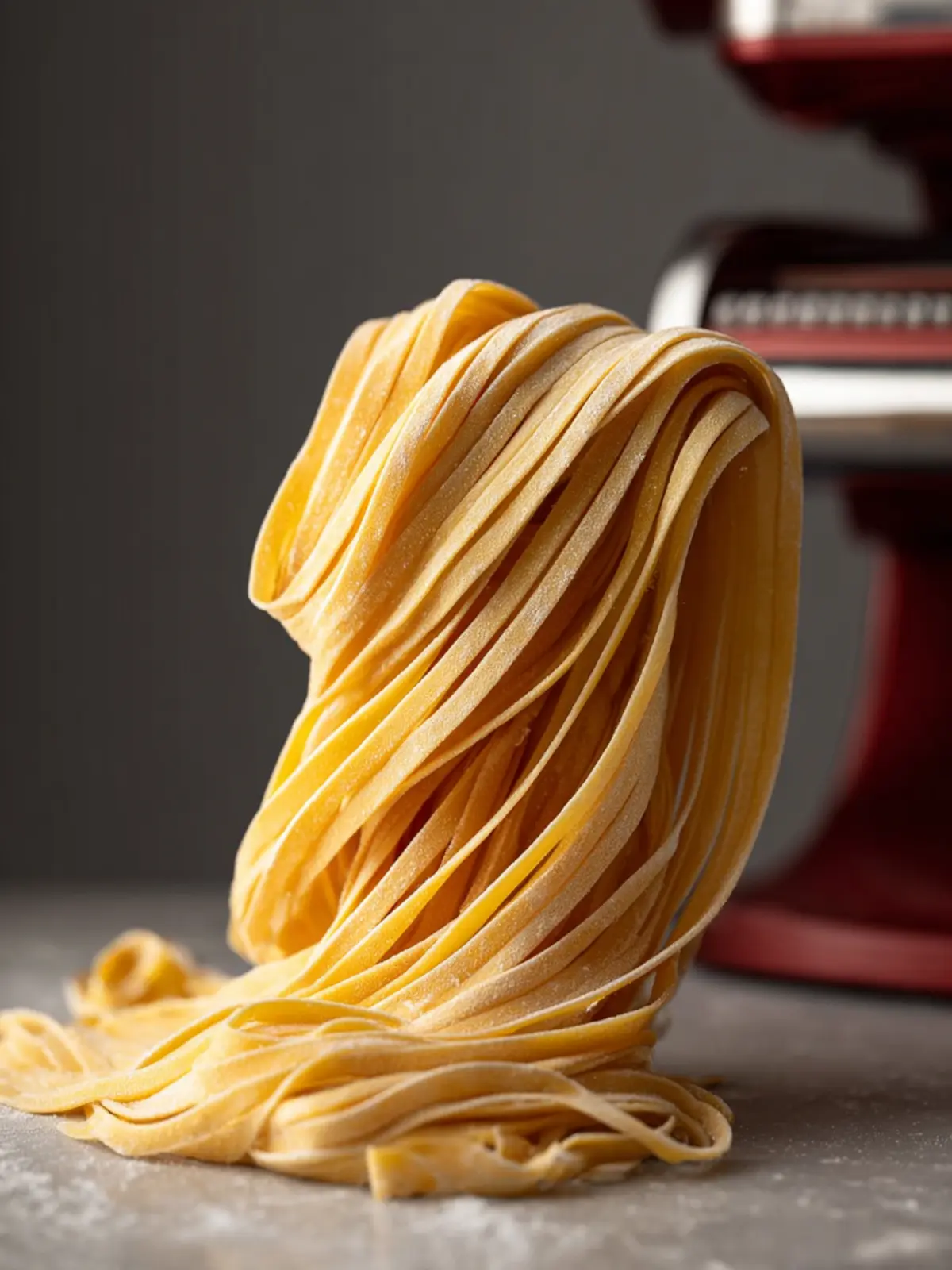
Key Ingredients for Homemade Pasta Dough with Semolina Flour
Crafting homemade pasta dough with semolina flour transforms a simple meal into a delightful culinary experience. The satisfying texture and rich flavor of semolina make it a favored choice among pasta enthusiasts. Let’s explore the key ingredients that come together to create this delicious dough.
-
Semolina Flour: This flour is the star of our pasta dough. It’s coarser than regular flour and gives the pasta a unique bite and firmness that holds up beautifully in sauces. The high protein content ensures a sturdy texture, perfect for various shapes and styles.
-
Eggs: Fresh eggs bring moisture and richness. I prefer using large eggs, which provide just the right balance of liquid to create a pliable dough. The yolk adds color and enhances flavor, while the whites help bind everything together.
-
Salt: Don’t underestimate the power of a pinch of salt! It enhances the dough’s flavor and strengthens the gluten structure, resulting in a more elastic texture.
-
Olive Oil: Just a splash of olive oil adds a subtle depth of flavor and creates a more tender pasta. It also helps in keeping the dough moist and prevents it from becoming too dry during kneading.
With these ingredients, you’re all set to make your own homemade pasta dough with semolina flour, ready for a delightful meal!
Why You’ll Love This Recipe
Creating Homemade Pasta Dough with Semolina Flour is both an art and a delightful experience. Imagine the comforting scent of freshly made pasta wafting through your kitchen, inviting friends and family to gather around. This recipe is your passport to that culinary joy, transforming a simple kitchen activity into a cherished ritual.
Exceptional Flavor and Texture
Semolina flour is the star here. It boasts a slightly granular texture, which gives your pasta a wonderful bite. You’ll appreciate how it captures sauces beautifully, making every dish sumptuous and satisfying.
Simple Ingredients, Maximum Impact
With just a handful of ingredients, you’ll discover how easy it is to create something fresh and authentic. The satisfaction of rolling out pasta dough by hand is unmatched. It’s not just about eating; it’s about engaging with the food you make.
Perfect for Any Occasion
Whether you’re preparing an intimate dinner for two or a festive gathering, this pasta dough elevates any meal. Its versatility allows you to craft everything from decadent ravioli to comforting lasagna.
Once you try this Homemade Pasta Dough with Semolina Flour, you’ll find yourself falling in love with pasta-making. It’s more than a recipe; it’s a way to connect, create, and celebrate the joy of cooking.
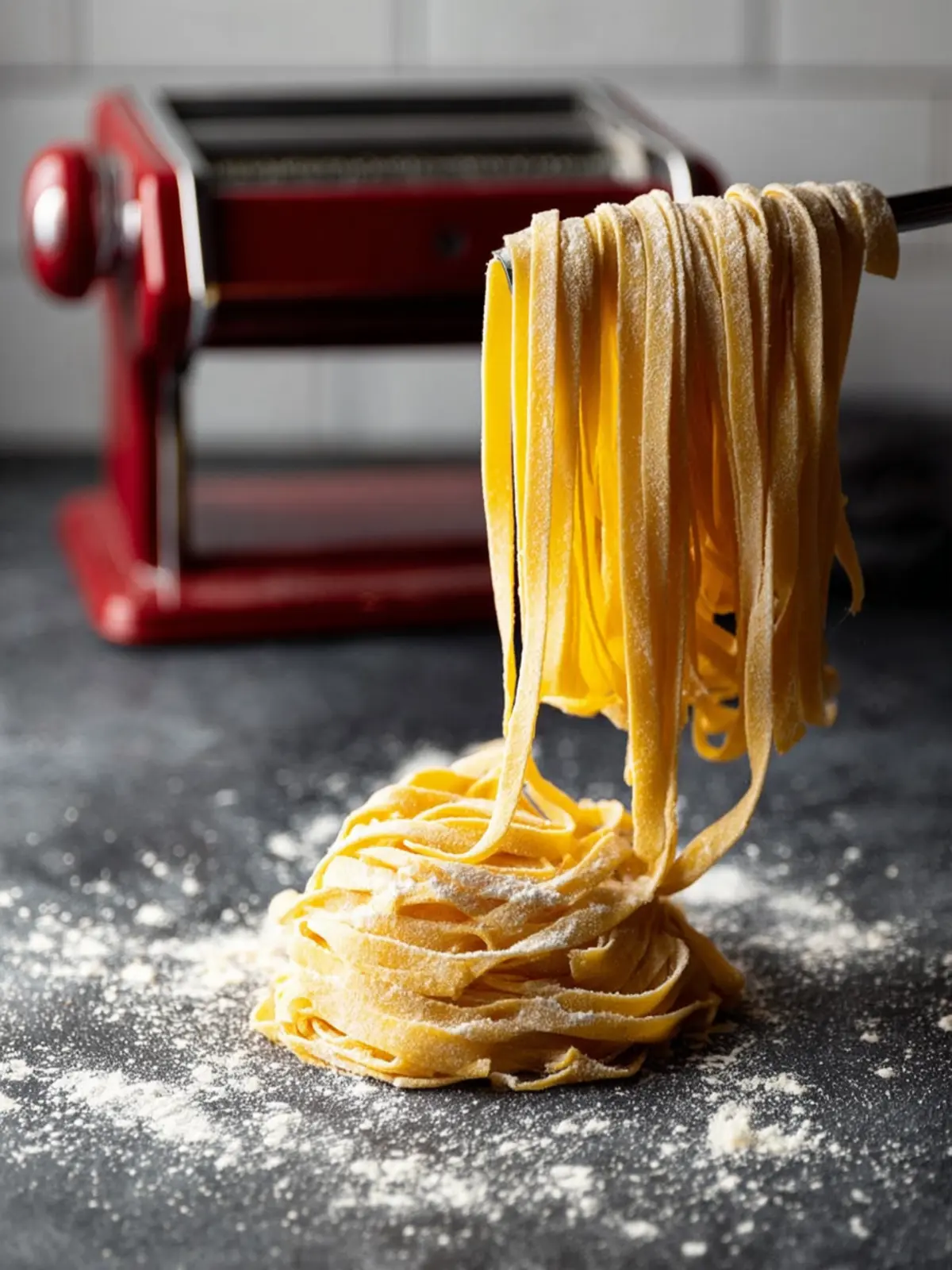
Variations on Homemade Pasta Dough
Exploring homemade pasta dough with semolina flour opens up a world of culinary creativity. While the classic recipe evokes a sense of tradition, don’t hesitate to experiment and make it your own! Here are a few fun variations to consider.
-
Whole Wheat Option: Swap half of your semolina flour for whole wheat flour. This enhances the nutritional value of your pasta, adding fiber and a delightful nutty flavor.
-
Flavored Dough: Want to impress? Incorporate fresh herbs like basil or spinach into your dough. Simply blend the herbs with your eggs before mixing them with the flour. This not only adds color but infuses your pasta with fantastic flavors.
-
Beet or Squash Pasta: For a vibrant twist, mix in pureed beets or cooked butternut squash. These natural colors not only make your pasta visually stunning but also add a hint of sweetness.
-
Egg Enrichment: While the classic recipe typically calls for semolina and water, adding an extra egg will result in a richer, more tender dough—perfect for making stuffed pasta like ravioli or tortellini.
-
Gluten-Free Adaptation: If you need a gluten-free option, try combining a blend of gluten-free flours, such as rice flour and tapioca flour, for a unique texture that will still hold up well in your dishes.
Each of these variations brings its own touch to homemade pasta dough with semolina flour, allowing you to adapt the recipe to suit your palate and dietary preferences! So why not take a step beyond the classic and let your creativity shine in your kitchen?
Cooking Tips and Notes for Homemade Pasta
Crafting homemade pasta dough with semolina flour opens up a world of culinary creativity right in your kitchen. It’s about more than just mixing flour and water; it’s a delightful journey that can transform dinner into a memorable experience. Here are some helpful tips to ensure your pasta is as delicious as possible.
-
Semolina Flour: This is the star of your dough. Its coarse texture contributes to a firm consistency that’s perfect for pasta. If you can’t find semolina or want to experiment, you can mix in some all-purpose flour for a different texture, but keep the ratio of semolina higher for the best results.
-
Kneading: This is where the magic happens! Knead the dough thoroughly for about 8-10 minutes to develop gluten, which gives your pasta the perfect bite. If you notice the dough sticking to your hands, sprinkle a little flour rather than adding too much, which can make your pasta tough.
-
Resting the Dough: Don’t skip this step! Wrap your dough in plastic wrap and let it rest for at least 30 minutes. This allows the gluten to relax, making it easier to roll out.
-
Rolling and Cutting: When rolling, use a pasta machine if you have one for even thickness. If you’re using a rolling pin, aim for about 1/8 inch thick. For cutting, a sharp knife or a pizza cutter will help produce clean edges.
-
Cooking: Fresh pasta cooks quickly—usually in about 2-3 minutes. Be sure to salt your boiling water generously to enhance the flavor of the pasta.
With these tips, your journey into making homemade pasta dough with semolina flour will be a delightful and rewarding experience. Enjoy your delicious creations!
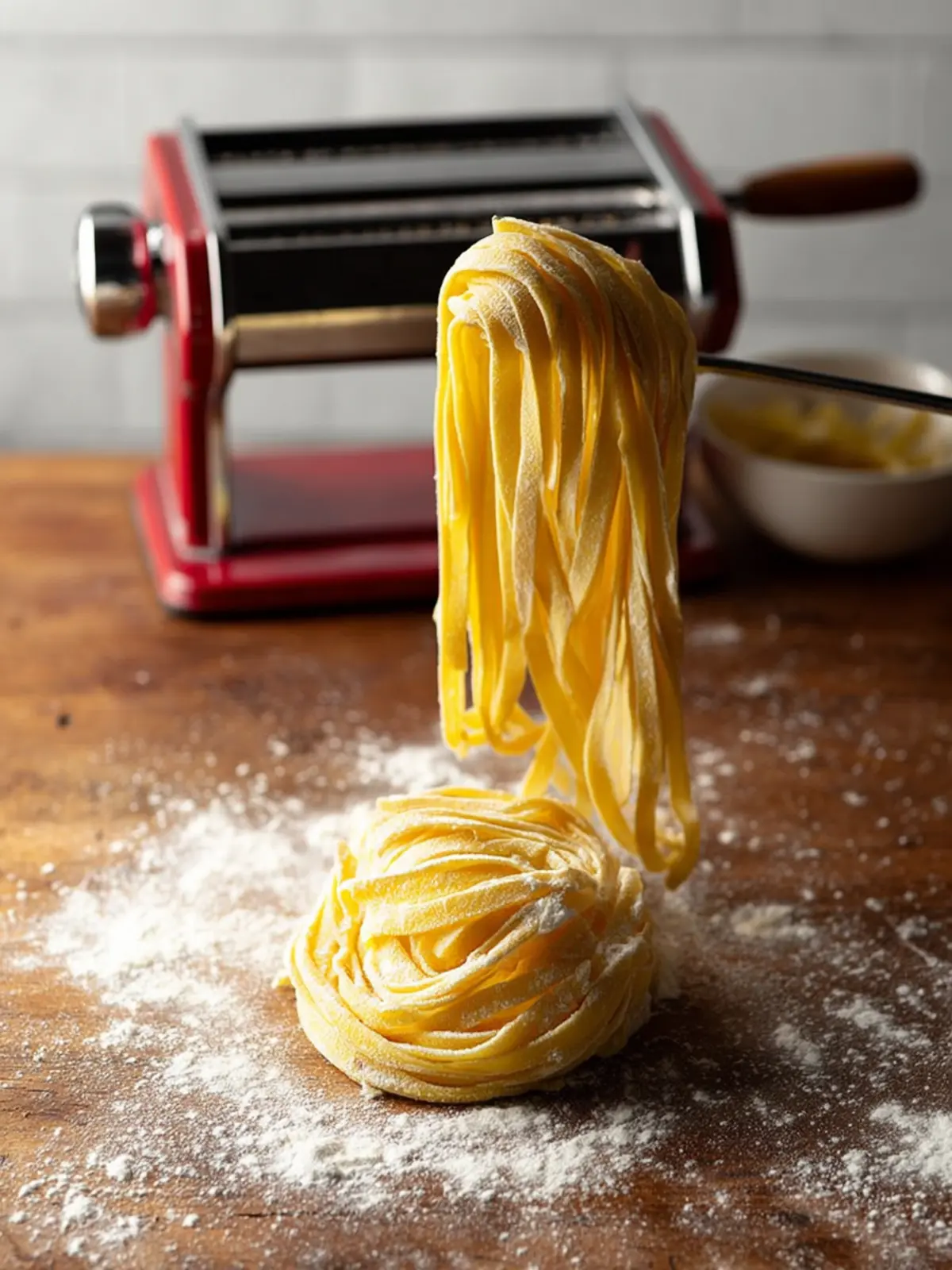
Serving Suggestions for Your Fresh Pasta
There’s something truly captivating about homemade pasta dough with semolina flour. It’s not just a meal; it’s an experience that invites you to savor each bite. Imagine a delightful dinner with friends, where your fresh pasta takes center stage—what would you serve it with?
Classic Sauces
- Marinara: A rich tomato sauce infused with garlic and fresh basil pairs beautifully with your fresh pasta, allowing its delicate texture to shine.
- Alfredo: For a creamy option, a traditional Alfredo sauce made from heavy cream, butter, and Parmesan creates a decadent pairing that will leave everyone wanting seconds.
- Pesto: Light up your pasta with vibrant basil pesto. It’s fresh, fragrant, and elevates the dish with its herby goodness.
Add-Ons for Extra Flavor
- Vegetables: Sautéed seasonal veggies, such as zucchini and bell peppers, add color and nutrition, making each dish feel wholesome and satisfying.
- Proteins: Grilled chicken, shrimp, or even a sprinkle of crispy pancetta can take your pasta to a new level of deliciousness.
Garnishes
- Cheese: Don’t forget to top with freshly grated Parmesan or a dollop of goat cheese to enhance the flavors.
- Herbs: A sprinkle of fresh herbs like parsley or chives can brighten your dish and add a burst of flavor.
By crafting harmonious pairings with your homemade pasta dough with semolina flour, you transform a simple dish into an unforgettable meal, perfect for sharing and delighting your loved ones.
Time Breakdown for Homemade Pasta Dough
Making homemade pasta dough with semolina flour is not only rewarding but also quite manageable. Understanding the time commitment helps you plan the perfect meal!
Preparation Time
Crafting this dough takes about 15 minutes. Gather your semolina flour, eggs, and a pinch of salt. Mix them just right, and you’re off to a great start.
Resting Time
After kneading, let your dough rest for 30 minutes. This step is essential for a smoother texture and easier rolling later.
Cooking Time
Once you’ve rolled out your sheets, cooking the pasta should only take about 3 to 5 minutes, depending on your preferred thickness. Enjoy the transformative process of making homemade pasta dough with semolina flour that adds a fresh touch to any dish!
Nutritional Facts of Homemade Pasta Dough
Making homemade pasta dough with semolina flour is not just about blending ingredients; it’s a delicious way to embrace Italy’s culinary traditions. The nutritional profile of this pasta varies based on how you prepare and serve it, but let’s break down the essentials of the dough itself.
Calories
A 100-gram serving of homemade pasta dough contains approximately 350 calories. This makes it a hearty base for your favorite sauces and toppings.
Protein
One of the standout benefits of using semolina flour is its protein content. In just 100 grams, you’ll find around 13 grams of protein, making this pasta a satisfying choice that helps fuel your active lifestyle.
Carbohydrates
The main energy source in homemade pasta dough with semolina flour comes from carbohydrates, clocking in at about 75 grams per 100-gram serving. This ensures you have plenty of energy for your day ahead, whether you’re tackling work projects or enjoying a weekend adventure.
By understanding the nutritional facts, you can better appreciate the craftsmanship that goes into your pasta-making journey.
FAQs about Homemade Pasta Dough
Making your own Homemade Pasta Dough with Semolina Flour can feel like magic, transforming simple ingredients into a delightful meal. Questions often arise when diving into this culinary adventure, so let’s address some common queries.
Can I use just all-purpose flour for this recipe?
While semolina flour is a star in creating that perfect texture for pasta, you can use all-purpose flour if needed. However, your pasta might not have the same firm chew and slightly grainy texture that semolina brings. For a delectable compromise, consider a blend of 50% semolina and 50% all-purpose flour to enjoy the best of both worlds.
How long can I store the pasta dough?
Homemade Pasta Dough with Semolina Flour can be stored for up to 24 hours in the refrigerator. Just wrap it tightly in plastic wrap or place it in an airtight container to keep it fresh. If you need to extend its shelf life, roll the dough into a disk, wrap it well, and it can last in the fridge for around 2 days.
Can I freeze homemade pasta?
Absolutely! Freezing is a fantastic way to preserve your homemade pasta. After shaping your pasta, lay it out on a baking sheet, ensuring that the pieces do not touch. Once frozen, transfer it to a freezer bag or airtight container. It can last for up to 3 months. When ready to cook, you can toss it directly into boiling water without thawing—easy and delicious!
Using these tips, you’ll have a wonderful experience making and enjoying your homemade pasta. Happy cooking!
Conclusion on Homemade Pasta Dough with Semolina Flour
Embracing the art of making homemade pasta dough with semolina flour can transform your dining experience into something truly special. This type of dough yields pasta that is not only delicious but has a delightful al dente texture, elevating every dish. The process may seem daunting at first, but with practice, it can become a joyful ritual in your kitchen. Picture yourself rolling out beautifully vibrant sheets of pasta, ready to be cut into your favorite shapes. As you savor each bite of your creation, you’ll understand that there’s really no substitute for fresh pasta made from scratch. So gather your ingredients and get started—delicious meals await!
Print
Fresh Fettuccine Pasta
- Total Time: 1 hour
- Yield: 4 servings 1x
- Diet: Vegetarian
Description
A simple guide to making fresh fettuccine pasta from scratch.
Ingredients
Scale
- 1 cup semolina flour
- 1 cup all-purpose flour
- 1 teaspoon fine sea salt
- ⅛ teaspoon fine black pepper (optional)
- 2 eggs
- 4 tablespoons water
- 2 teaspoons extra virgin olive oil
Instructions
- In a medium bowl, combine the flours, salt, and pepper. Stir to combine and create a well in the center of the dry ingredients.
- Add the eggs, water, and olive oil into the center of the well inside the dry ingredients. Use a fork to whisk the eggs gently in the center. Begin stirring the wet ingredients into the dry ingredients from the outside in, until combined.
- Once a shaggy dough forms, use your (clean!) hands to continue mixing the dough together, incorporating any remaining flour in the bottom of the bowl.
- Knead the dough for 3-4 minutes until tacky and elastic, checking its elasticity by stretching the dough. If it stretches 8-12 inches without tearing, you’re ready to move on to the rest. If it tears right away, continue kneading as the gluten needs to continue developing.
- Once tacky and elastic, place the dough ball in plastic wrap and let rest for 30-60 minutes.
- To roll fettuccine (or similar) noodles: Take approximately 1/4 of the fresh dough ball and use your hands form it into a rectangle shape, just thick enough that it will fit into the largest setting on your pasta machine (use a machine for best results, but a rolling pin will work, too). Roll it out on the largest setting, adjusting and folding into a rectangular shape again as needed, because each time you roll it out, it will expand how it was placed in.
- Once you’ve gone through the largest setting and have a solid ‘rectangle type base’, thread the dough through each smaller setting, one by one until you’ve reached your desired thickness. I like to go with the second to last the thinnest setting.
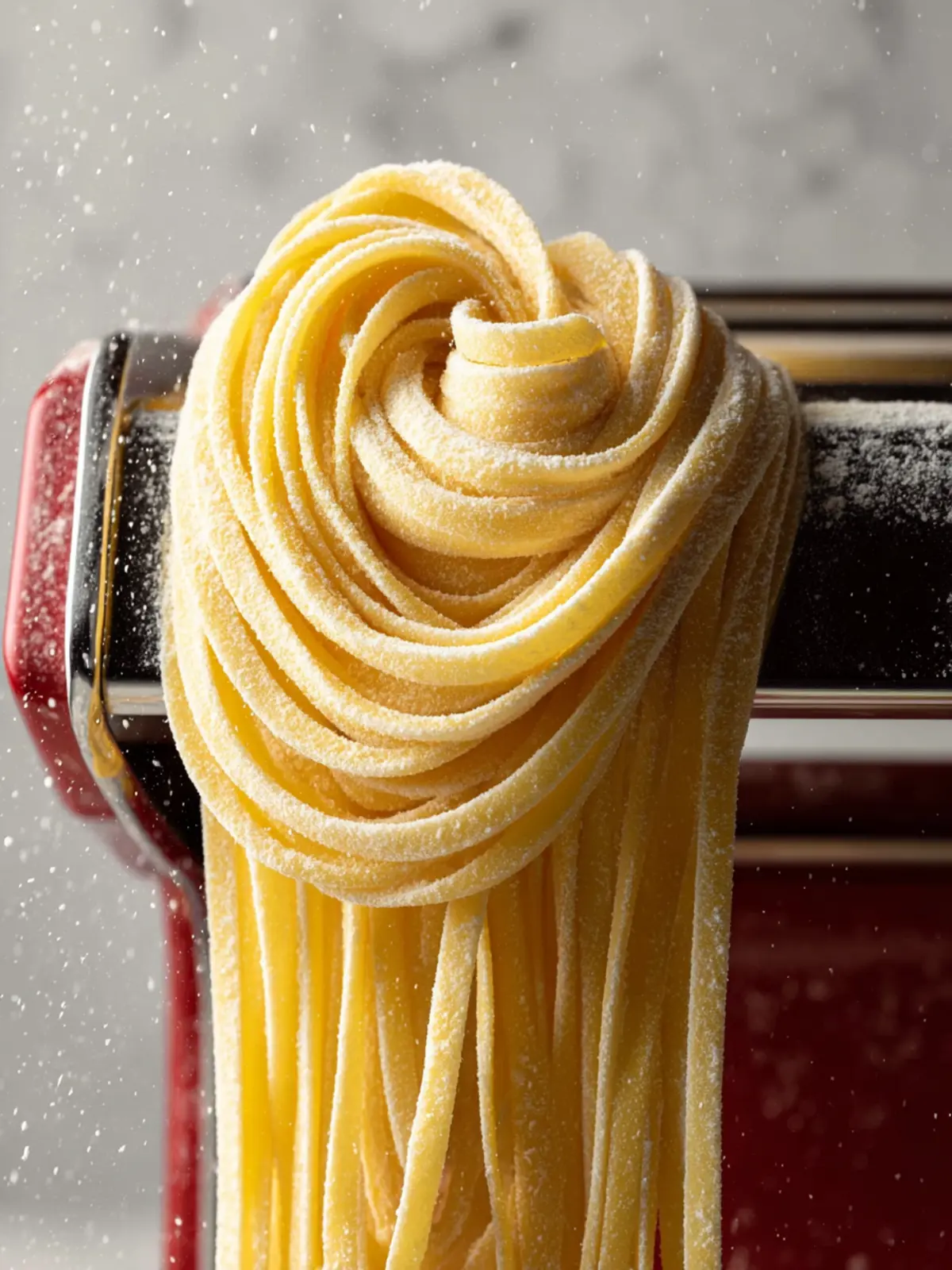
- Once you have the pasta sheet, you can use it to shape the type of noodle or pasta you’ll be making. To make fettuccine noodles, thread dough through the fettuccine template of your pasta machine and place noodles on a baking sheet lined with semolina flour until ready to cook. Alternatively, liberally sprinkle flour on the pasta, then fold it over several times to make layers. Use a chef’s knife to cut strips, unfolding them after cutting to reveal the noodles.
- To cook fettuccine (or similar) noodles: bring a large stockpot of salted water to a boil. Add noodles and cook to al dente. The time will vary depending on the thickness of the noodles, begin to test for doneness as the noodles begin to float. For noodles rolled to the second to the thinnest setting, they generally take 1 1/2 to 2 minutes. Transfer to the pasta sauce, reserving any pasta water you may need for the sauce.
Notes
- This recipe makes about 4 servings of fettuccine.
- Resting the dough is crucial for achieving the right texture.
- Feel free to customize the type of flour used for different pasta textures.
- Prep Time: 30 minutes
- Cook Time: 2 minutes
- Category: Pasta
- Method: Cooking
- Cuisine: Italian
Nutrition
- Serving Size: 1 plate
- Calories: 220
- Sugar: 0g
- Sodium: 300mg
- Fat: 7g
- Saturated Fat: 1g
- Unsaturated Fat: 5g
- Trans Fat: 0g
- Carbohydrates: 33g
- Fiber: 3g
- Protein: 7g
- Cholesterol: 186mg