Follow Me On Social Media!

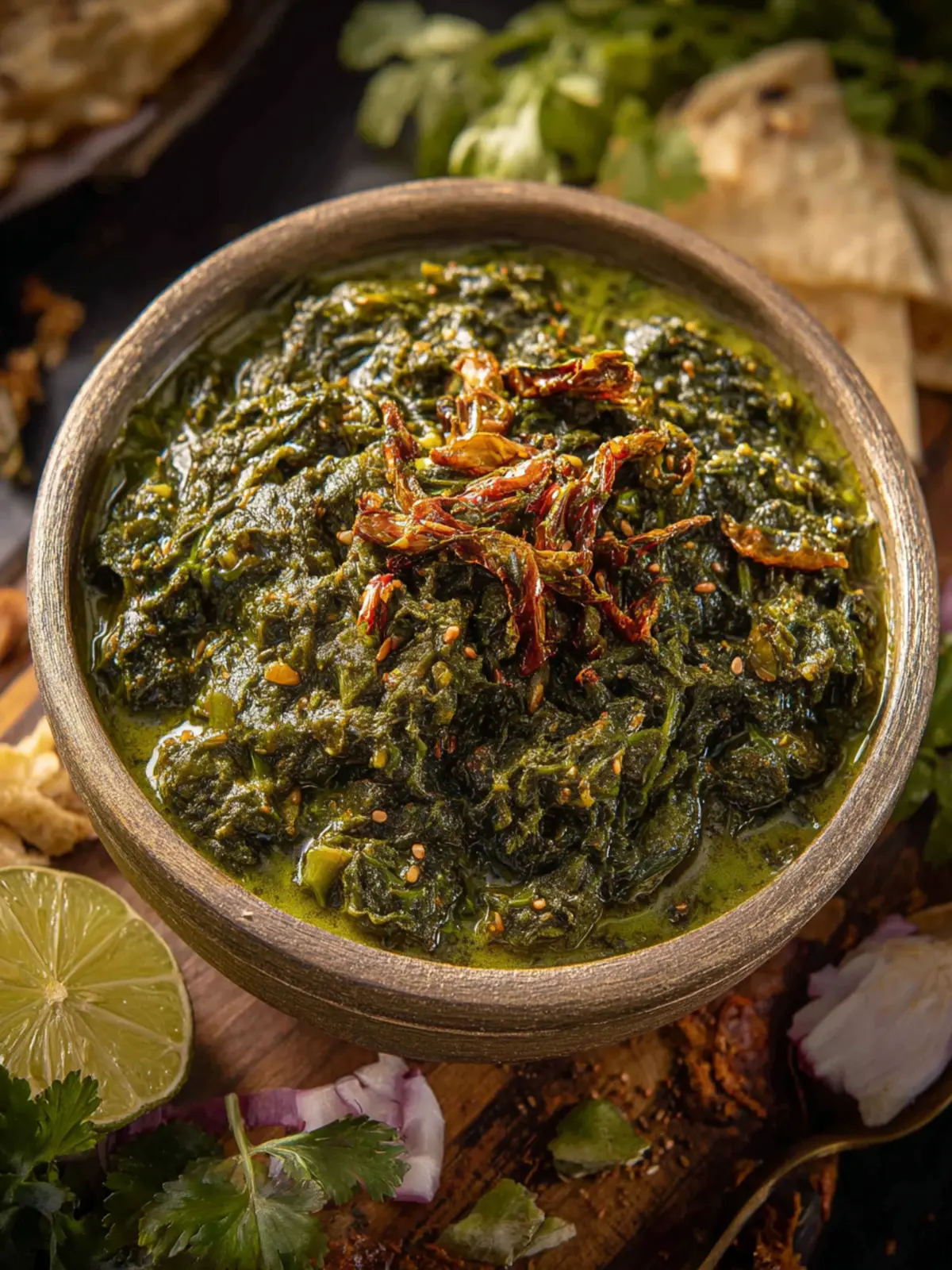
Sarson Ka Saag Recipe: Best Comfort Food for Cozy Nights

Introduction to Sarson Ka Saag Recipe
There’s something incredibly comforting about a steaming bowl of sarson ka saag, especially on chilly evenings. This traditional Punjabi dish brings together the earthy sweetness of mustard greens with a beautiful blend of spices, creating a rustic charm that warms both the body and soul. As the aroma wafts through your kitchen, it doesn’t just signify a meal—it’s a sensory journey back to childhood memories spent around the dinner table, where the food felt as vibrant as the company.
The Joy of Homemade Comfort Food
Imagine gathering with friends and family, sharing laughter and stories, while savoring this nutritious dish that celebrates the heart of North Indian cuisine. Sarson ka saag isn’t just food; it’s a celebration of our cultural heritage. Made with mustard greens and a delightful mix of spices, this recipe is both hearty and fulfilling. Perfectly paired with warm, homemade makki di roti, it brings a burst of flavor that dances on your palate.
What makes this sarson ka saag recipe a must-try? For starters, the ingredients are primarily fresh and simple, making it a wholesome meal packed with nutrition. Mustard greens are rich in vitamins A, C, and K, along with essential minerals like calcium and iron, making this dish fantastic for your health.
As you prepare this sarson ka saag, allow yourself to savor the process. Whether you’re a seasoned chef or just starting out in the kitchen, every stir and simmer is an opportunity to appreciate the flavors and techniques that have been passed down through generations. It’s about nurturing both body and spirit, while embracing the artistry of cooking.
So, roll up your sleeves and prepare to dive into the world of sarson ka saag. Let the vibrant greens and spices transform your dining experience, making every bite a delightful connection to tradition. With this recipe, you’re not just cooking—you’re creating memorable moments filled with love and warmth.
Key Ingredients for Sarson Ka Saag Recipe
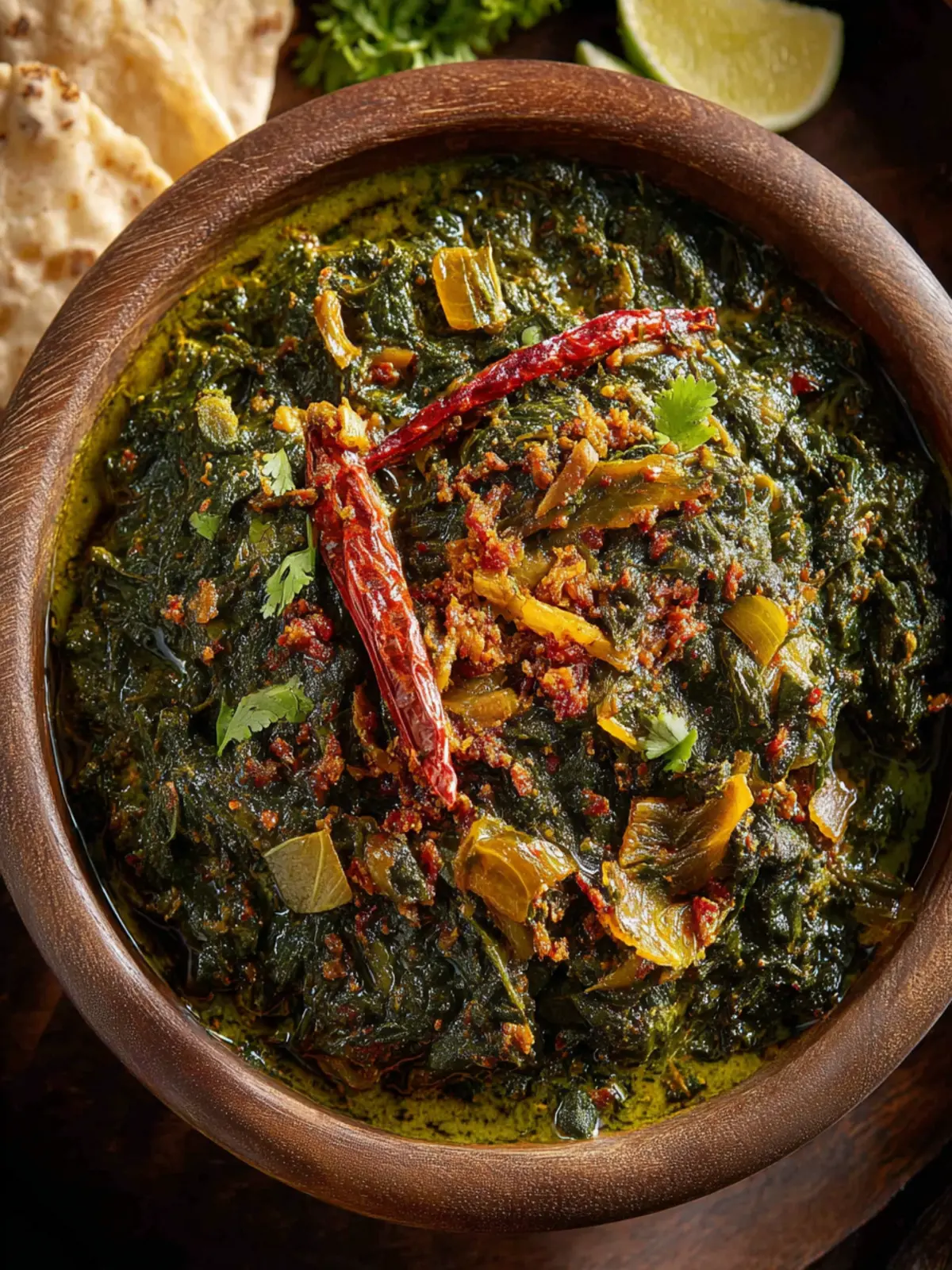
Making an authentic Sarson Ka Saag Recipe is all about using the right ingredients that bring out the wholesome flavors of this traditional Punjabi dish. Let’s dive into what you’ll need to create this comforting meal.
-
Sarson (Mustard Greens): The star of the dish is definitely fresh mustard greens. Their sharp, slightly bitter flavor is what makes sarson ka saag unique. Look for bright green leaves that are firm and free from blemishes. You can also mix in some spinach or bathua for added richness.
-
Bathua/Spinach: While mustard greens are essential, adding bathua (chenopodium) or even spinach provides more texture and complements the sarson perfectly.
-
Onions: Onions add sweetness to balance the earthiness of the greens. Sautéed until golden, they create a deep, rich base for the saag.
-
Tomatoes: Fresh tomatoes contribute acidity, enhancing the overall flavor profile. Use ripe, juicy tomatoes for the best results.
-
Spices: A mix of spices, including turmeric, red chili powder, and garam masala, gives depth and warmth. Don’t forget a pinch of asafoetida (hing) for added umami.
-
Ghee: Cooking in ghee not only enriches the saag but also brings that authentic Punjabi touch, adding a luxurious, nutty flavor.
Crafting Sarson Ka Saag is about respect for these ingredients and how they harmonize to create a delicious, fulfilling dish. Happy cooking!
Why You’ll Love This Sarson Ka Saag Recipe
When the chilly winds of winter blow in, nothing quite warms the soul like a steaming plate of sarson ka saag. This traditional Punjabi dish is not just a recipe; it’s a comforting embrace on a cold day. The combination of mustard greens and a symphony of spices creates a dish that is both hearty and flavorful, making it an absolute must-try in your kitchen.
A perfect winter comfort dish packed with flavor and nutrients
This sarson ka saag recipe is more than just a delicious meal—it’s a wholesome experience. With every bite, you’re treated to a blend of nutritious ingredients that nourish your body and warm your heart. Here’s why you’ll fall head over heels for it:
-
Nutrient-Rich Mustard Greens: They’re the star of the dish and are packed with vitamins A, C, and K, which are essential for maintaining good health.
-
Rich and Robust Flavors: The spices used, like ginger and garlic, don’t just add depth; they also provide warming effects that are perfect for combating winter chills.
-
Versatile Pairings: Sarson ka saag is traditionally enjoyed with buttery makki di roti, but it’s equally delightful with rice or even as a filling for wraps.
Imagine sitting down with a friend or family member, sharing stories, and enjoying a dish that feels like home. This is exactly what we aim to capture with this recipe—an unforgettable experience that nourishes the body and the soul. You’ll find that it quickly becomes a cherished part of your winter routine!
Cooking Tips and Notes for Sarson Ka Saag Recipe
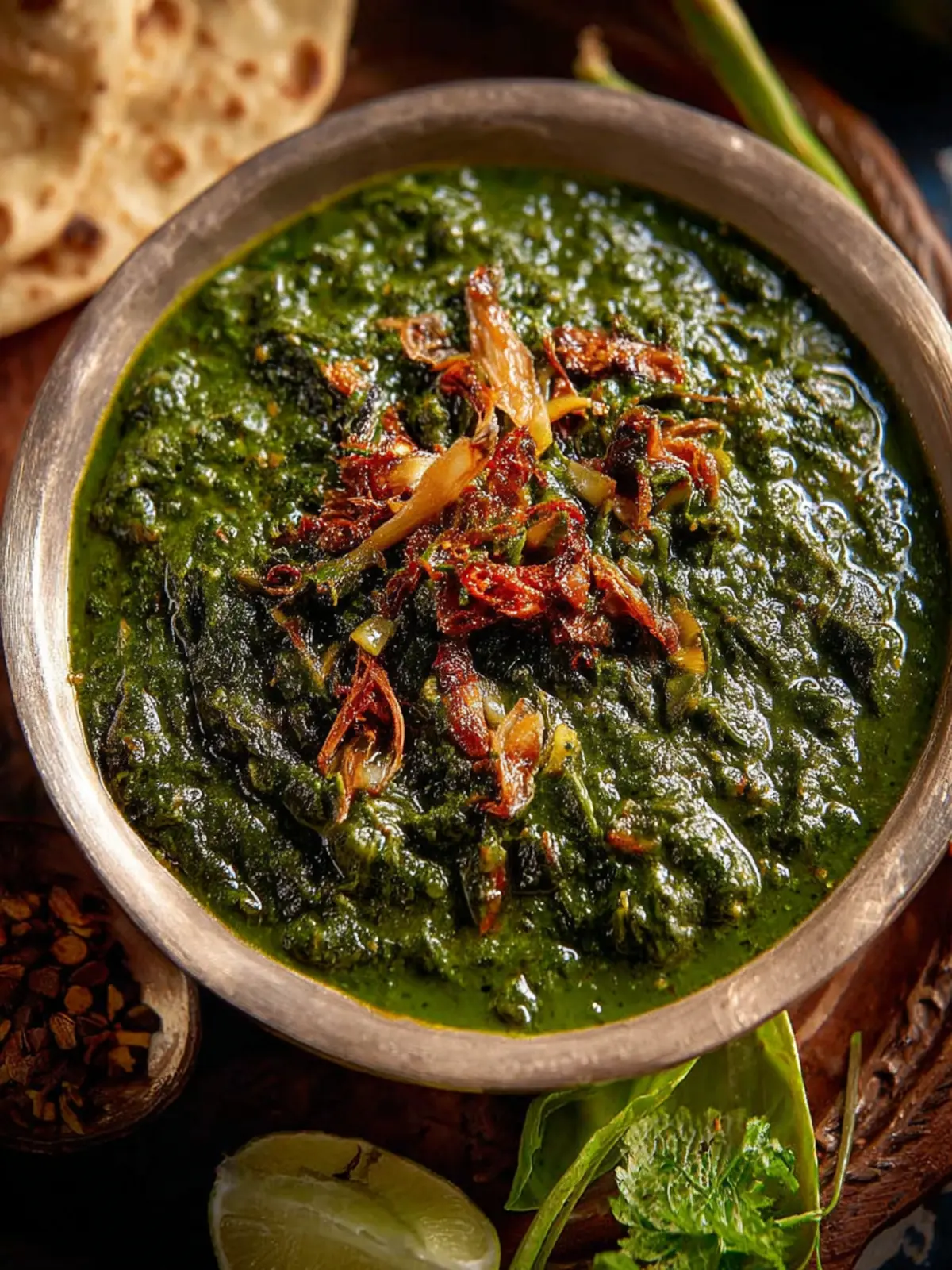
When crafting the perfect sarson ka saag recipe, attention to detail is essential, particularly when it comes to the greens. This dish, a beloved staple from Punjab, really shines with fresh and vibrant ingredients.
Ensure the greens are thoroughly washed
It’s vital to wash your mustard greens properly. They often carry dirt and grit, which can detract from the dish’s enjoyment. I usually soak them in water for about 10-15 minutes and gently agitate to dislodge any particles, then rinse under running water. This simple step will ensure your sarson ka saag is clean and ready to be savored.
Use the right texture for blending
The texture of your blended greens can significantly affect the final result. Aim for a smooth purée, but don’t over-blend to avoid a watery consistency. When blending, add a little water gradually to achieve the right thickness. If you prefer chunkier greens, blend just until the mixture is homogenous but still retains some texture. Balancing this will elevate your sarson ka saag from good to exquisite!
Enjoy crafting this delightful dish—your efforts will truly shine through in the flavorful results.
Serving Suggestions for Sarson Ka Saag Recipe
Bringing the rich flavors of sarson ka saag recipe to your table is only the beginning of an unforgettable culinary experience. Imagine the comforting warmth of a hearty meal, perfect for cozy evenings with friends or family.
Ideal pairings for a complete and satisfying meal
To elevate your sarson ka saag, consider pairing it with some classic accompaniments:
-
Makki di Roti: This traditional cornbread creates a delightful contrast with the smoothness of the saag. It adds a hearty texture that’s absolutely comforting.
-
Butter and Ghee: A dollop of fresh butter or ghee on top of the saag melts in beautifully, enhancing the flavors and adding a rich finish.
-
Onions and Green Chilies: A tangy side of sliced onions or fried green chilies can add a spicy crunch that will awaken your taste buds.
-
Raita: A cool yogurt raita serves as a refreshing counterbalance, capable of soothing any spice-induced heat.
-
Pickles: A side of tangy pickles brings in exciting bursts of flavor, adding another layer to your meal.
Each of these elements transforms your sarson ka saag into a complete, delightful feast. What’s your favorite way to enjoy this Punjabi classic?
Time Breakdown for Sarson Ka Saag Recipe
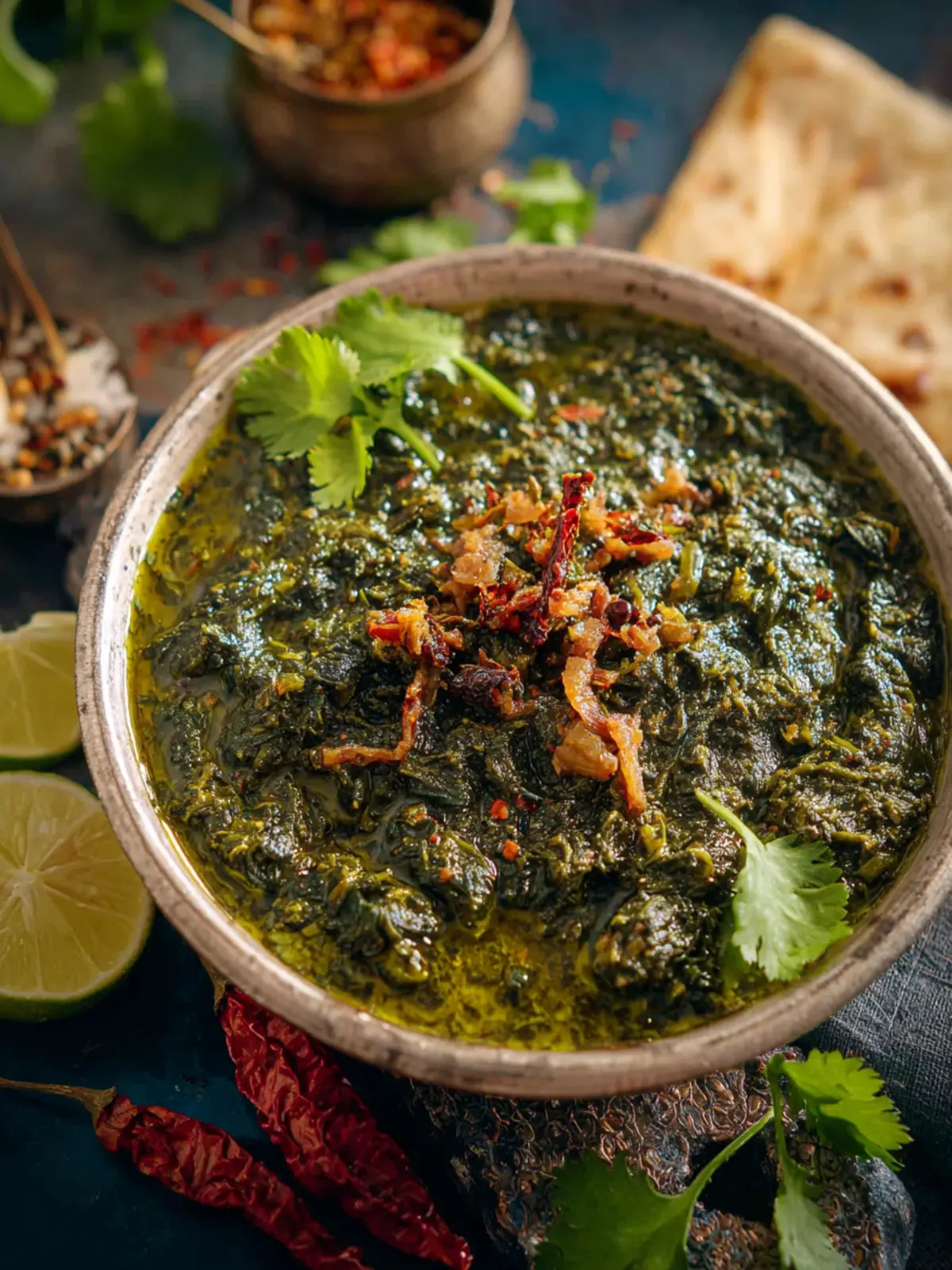
When it comes to the delightful sarson ka saag recipe, understanding the time commitment can make your cooking journey smoother and more enjoyable. After all, this classic dish deserves your attention to truly shine.
Preparation time
Expect to spend about 15 to 20 minutes assembling all the necessary ingredients and chopping your greens. A little prep work goes a long way in enhancing the flavor of your sarson ka saag.
Cooking time
The cooking process generally takes around 30 to 40 minutes. This includes simmering the greens, blending them to achieve that perfect consistency, and allowing the spices to marry beautifully.
Total time
In total, you’re looking at an approximate time of 50 to 60 minutes from start to finish. With this time well spent, you’ll end up with a comforting and authentic dish that warms both the heart and the soul.
Nutritional Facts for Sarson Ka Saag Recipe
When you dive into the delicious world of Sarson Ka Saag, you’re not just indulging in a comforting meal—you’re also treating your body to a host of nutrients. Celebrated for its earthy flavor, this dish brims with health benefits that make it a perfect fit for your diet.
Calories
A serving of Sarson Ka Saag typically contains around 200-250 calories. This makes it a wholesome option that complements a balanced diet without overwhelming your caloric intake.
Protein
You’ll find approximately 8-10 grams of protein per serving thanks to the mustard greens and accompanying ingredients. This is great for young professionals looking to fuel their busy lifestyles.
Fiber
With about 5-7 grams of dietary fiber in each serving, Sarson Ka Saag supports digestive health while keeping you full and satisfied, which is a perfect match for your on-the-go routine.
Now that you know the nutritional benefits, you can feel even better about relishing this Punjabi classic!
FAQs about Sarson Ka Saag Recipe
Exploring a sarson ka saag recipe opens up a world of culinary tradition that brings warmth and richness to your meal. It’s a delightful dish from Punjab that celebrates the unique flavors of mustard greens. Whether you’re a seasoned chef or a kitchen novice, I’ve compiled some frequently asked questions to assist you in mastering this dish.
Can I use different greens?
Absolutely! While the classic sarson ka saag recipe shines with mustard greens, feel free to mix in other leafy greens like spinach or bathua (chenopodium). These alternatives can add depth to the flavor and texture. Just keep in mind that the taste may differ slightly, but it can be equally delicious!
How long can I store leftover saag?
Leftover sarson ka saag can be stored in an airtight container in the refrigerator for up to 3-4 days. This dish often tastes even better the next day, as the flavors meld together beautifully. Just make sure it’s cooled completely before sealing it up tight.
What’s the best way to reheat saag?
Reheating is simple! You can either use the stove or microwave. If using the stove, warm it over medium heat in a pan, stirring occasionally to prevent sticking. If you opt for the microwave, cover the bowl with a microwave-safe lid or a paper towel and heat in short intervals, stirring in between to ensure even warming. Adding a splash of water or ghee can help revive its consistency if it thickens too much.
With these tips, you’re well on your way to enjoying every delicious bite of your sarson ka saag!
Conclusion on Sarson Ka Saag Recipe
Embracing the joy of home-cooked meals is an experience that transcends mere nourishment; it connects us to our roots and revives cherished memories. The heartfelt process of making sarson ka saag is not just about cooking greens—it’s about celebrating traditions and flavors that have warmed kitchens for generations. As you savor each bite of this delectable dish paired with buttery makki di roti, you’re indulging in a culinary story that speaks of comfort and warmth. Give this sarson ka saag recipe a try, and it might just become a staple in your own culinary repertoire, bringing family and friends together around the table.
Print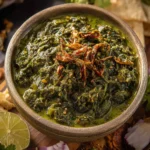
Saag
- Total Time: 50 minutes
- Yield: 4 servings 1x
- Diet: Vegetarian
Description
A traditional dish made with mixed greens and spices, served hot with makke ki roti, jaggery, and white butter.
Ingredients
Scale
- 200 grams mustard greens (sarson)
- 35 grams spinach (palak)
- 35 grams radish greens (mooli ke patte) (or turnip greens)
- 35 grams chenopodium (bathua)
- 35 grams fenugreek leaves (methi)
- 1 cup chopped tomatoes
- 1 cup chopped onions
- ¼ cup chopped radish (or turnip)
- 1 inch chopped ginger
- 8–10 cloves chopped garlic
- 2–3 chopped green chilies
- 1 teaspoon red chili powder
- ¼ teaspoon asafetida (hing)
- 1 teaspoon salt (or to taste)
- 2 tablespoons corn meal (makki ka atta)
- 2 tablespoons clarified butter (ghee)
- ¼ cup finely chopped onions
- 3–4 cloves peeled and smashed garlic
Instructions
- Wash the greens thoroughly 2-3 times with water to get rid of any mud in them.
- Drain well.
- Add the washed greens to a large pressure cooker. Press the greens so that they fit in the cooker.
- They will be reduced drastically in volume once cooked.
- Since we will be blending the greens in a blender later, you don’t have to chop them.
- Add tomatoes, onions, ginger, garlic, radish, chilies, salt, and 1 cup of water to the cooker.
- Close the lid of the cooker and pressure cook for one whistle on high heat.
- Remove the pressure cooker from heat and let the pressure release naturally.
- Once the pressure is released, open the lid of the cooker. Let the greens cool down slightly.
- Transfer the cooked and cooled greens to the large jar of a blender along with the leftover water.
- Blend to make a coarse paste (I like my saag a little coarse. If you like it smooth, blend the greens until smooth).
- Transfer the paste to the same pressure cooker or another pan.
- Dissolve makki ka atta (maize flour) in ½ cup water and add it to the cooker.
- Add red chili powder and asafetida and mix well.
- Cook for 5-6 minutes on medium heat.
- If the saag is thick for your liking, then add some water to it and cook for a minute. If it’s too thin, then cook it for 5-6 minutes until the consistency is right.
- Check for salt and add more if required.
- Heat ghee in a small pan over medium heat.
- Once the ghee is hot, add onions and garlic and fry till golden brown. Keep stirring while frying.
- Pour the tadka over the saag and mix well.
- Serve hot with makke ki roti, jaggery, and white butter.
- Tip – Save some tempering to garnish the saag.
Notes
- Greens should be fresh and free of dirt.
- Adjust the spices according to taste.
- Use a blender to get the desired texture.
- Prep Time: 20 minutes
- Cook Time: 30 minutes
- Category: Main Dish
- Method: Pressure cooking
- Cuisine: Indian
Nutrition
- Serving Size: 1 cup
- Calories: 180
- Sugar: 2g
- Sodium: 600mg
- Fat: 10g
- Saturated Fat: 5g
- Unsaturated Fat: 4g
- Trans Fat: 0g
- Carbohydrates: 20g
- Fiber: 6g
- Protein: 5g
- Cholesterol: 15mg